PROJECT EXPLORER
Things I have built.
Web applications, embedded systems, desktop software and kernel experiments.
-
Mudroom
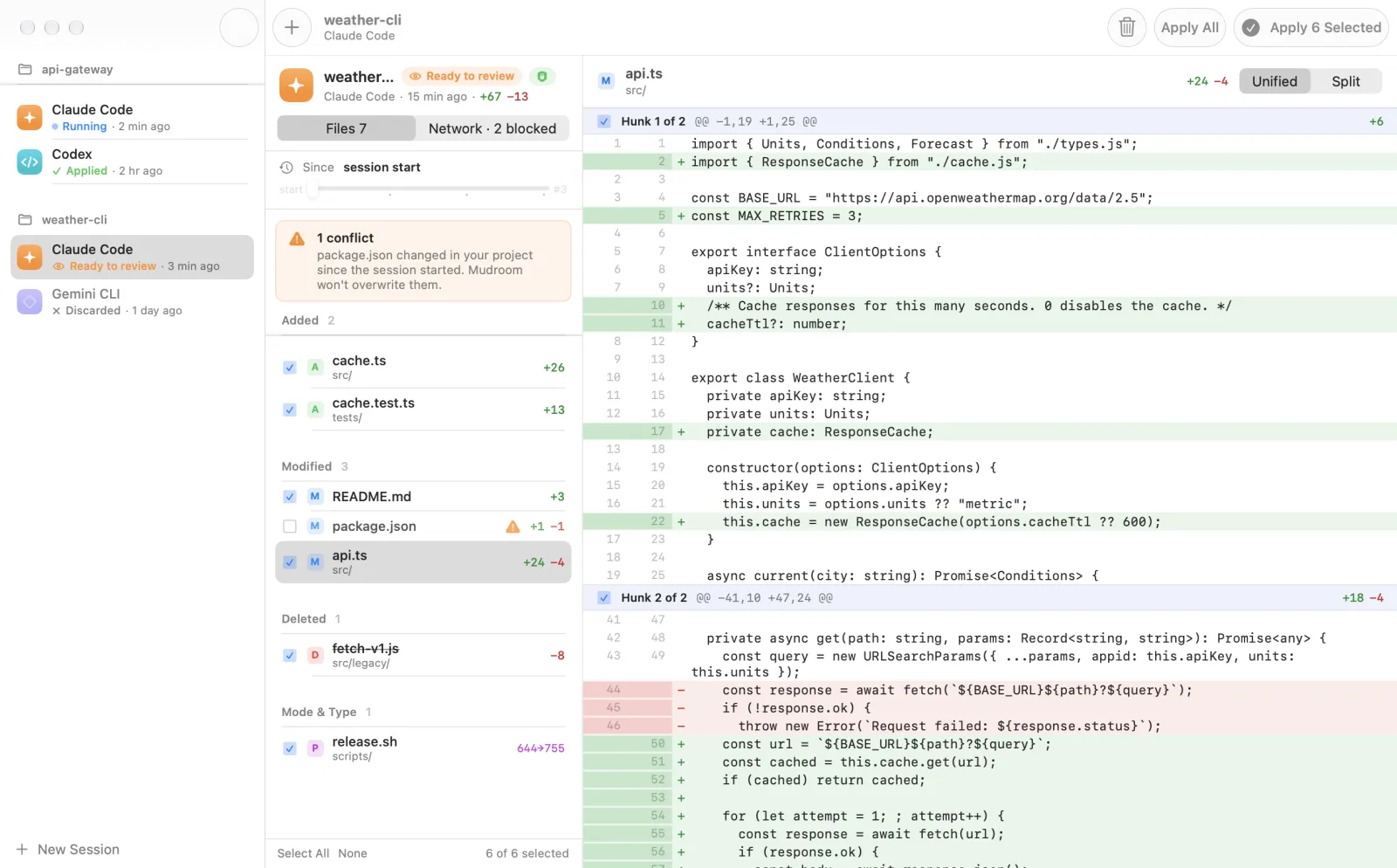
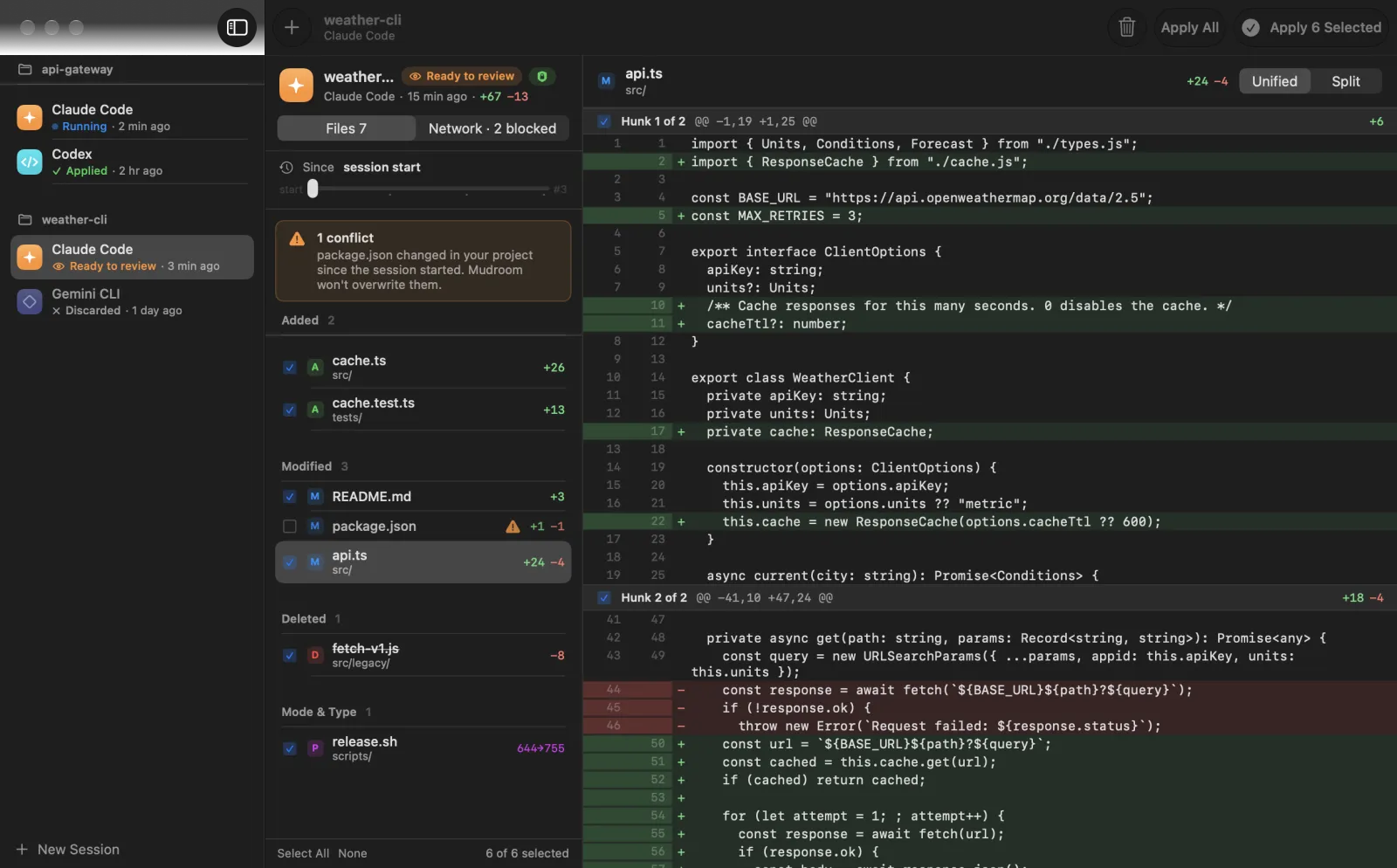
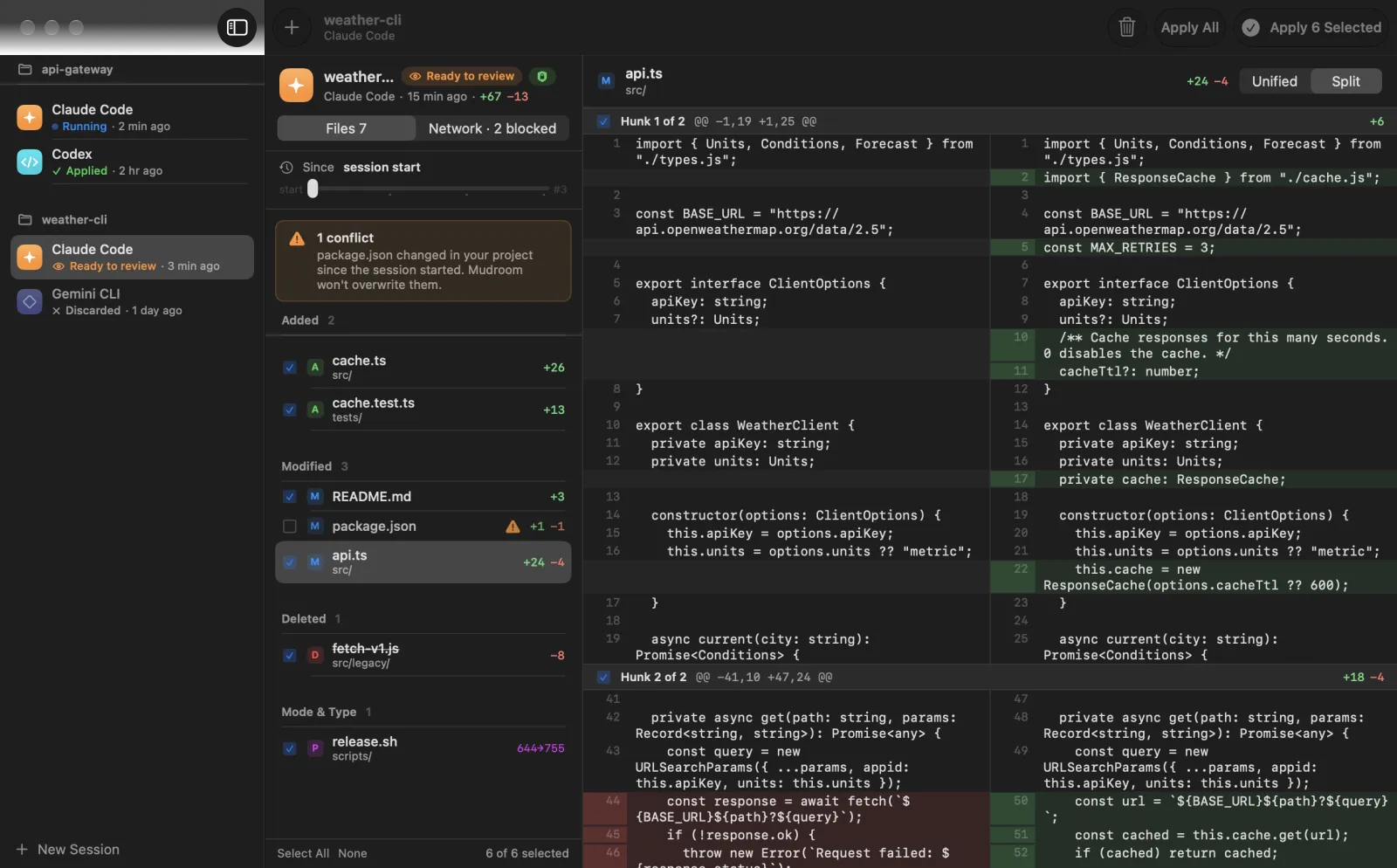
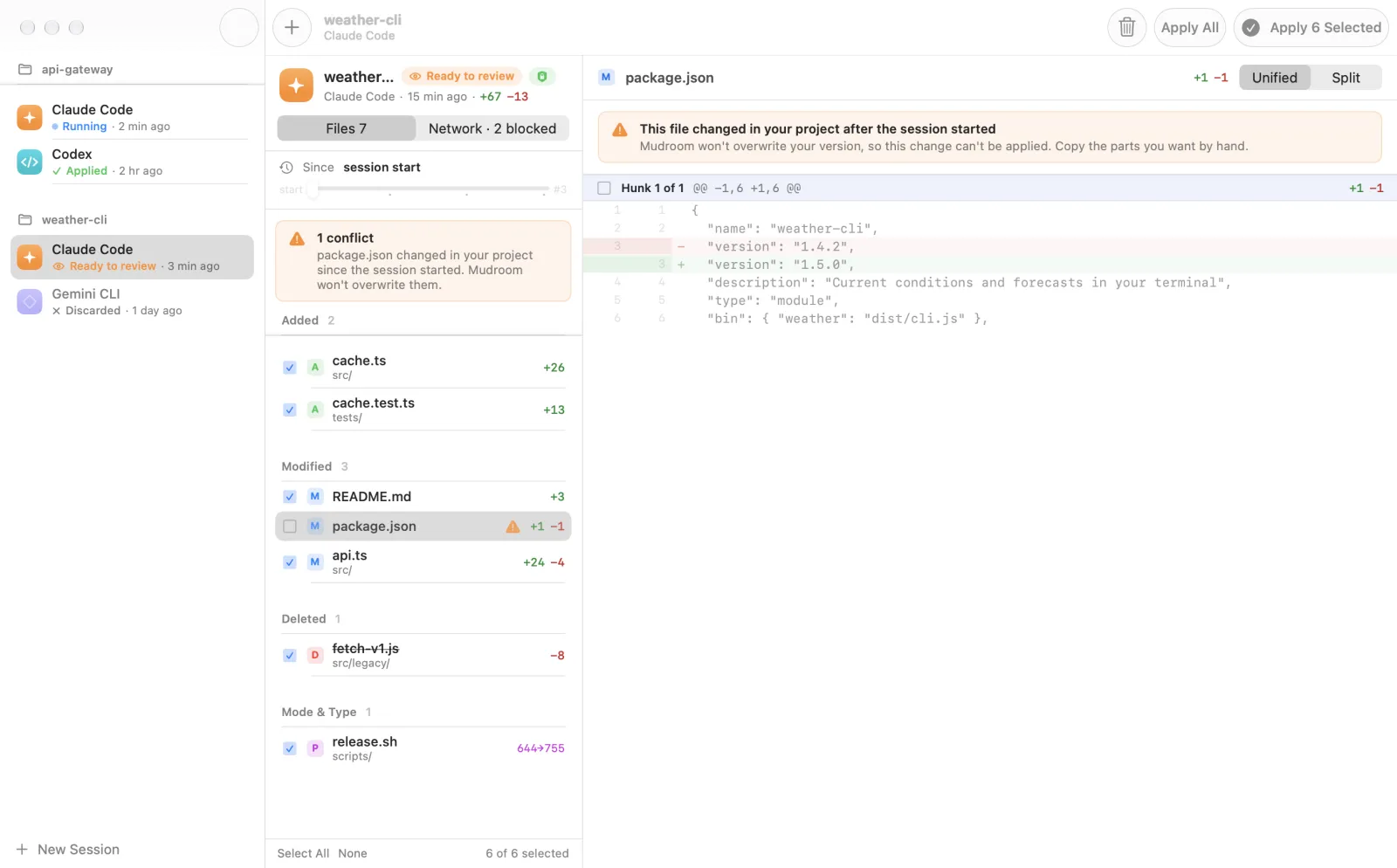
Runs coding agents (Claude Code, Codex, Gemini CLI, opencode, Aider) in a Linux micro-VM on a copy-on-write clone of your project, so your real folder is never mounted, with network access limited to the hosts you allow. When the agent finishes, you review its changes like a pull request: apply everything, some files, some hunks or nothing, and undo an apply later. Since v0.3 the VM is firewalled in locked and offline sessions (Apple backend), .env files and keys stay out of the sandbox, and the network tab shows which command opened each connection. If a file also changed in your project after the session started, you can merge it. A macOS app and CLI for Apple-silicon Macs, and a CLI with Docker or Podman on Linux, Windows and Intel Macs, installable with Homebrew or Scoop. Written in Swift, MIT licensed, and still an early prototype (v0.7.0).
-
Boost
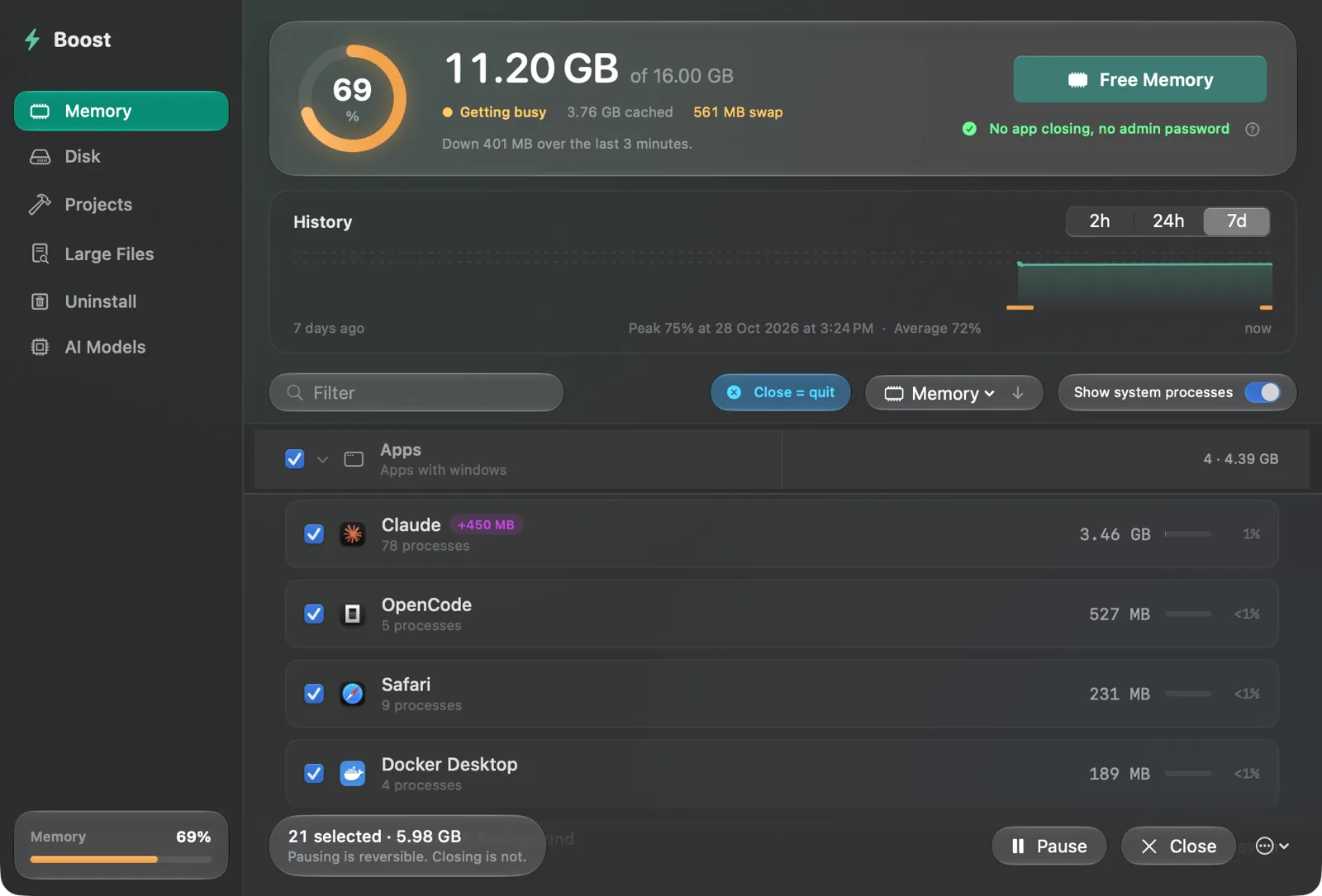
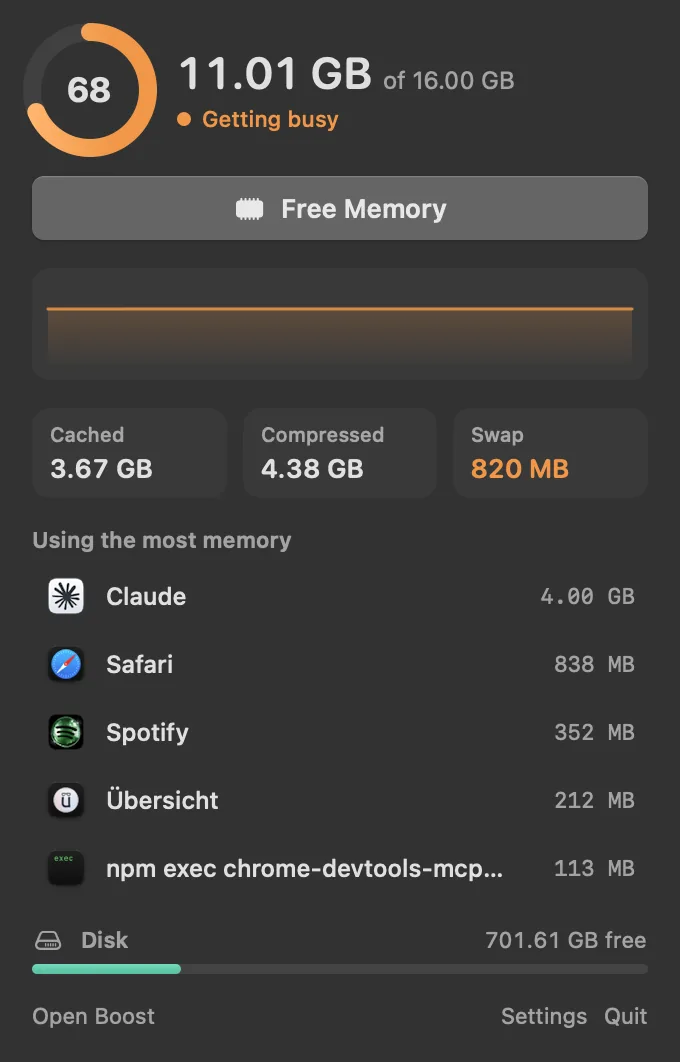
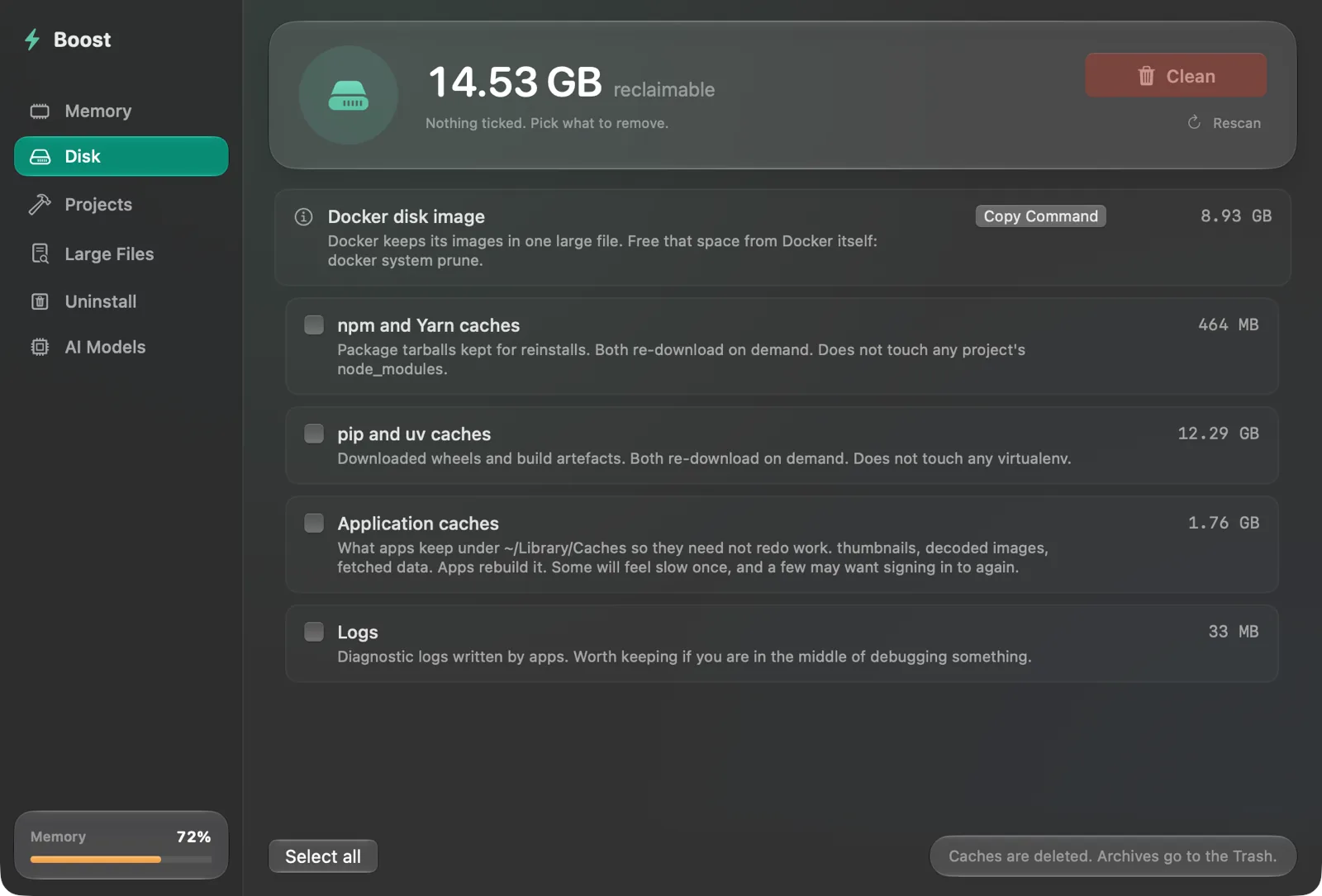
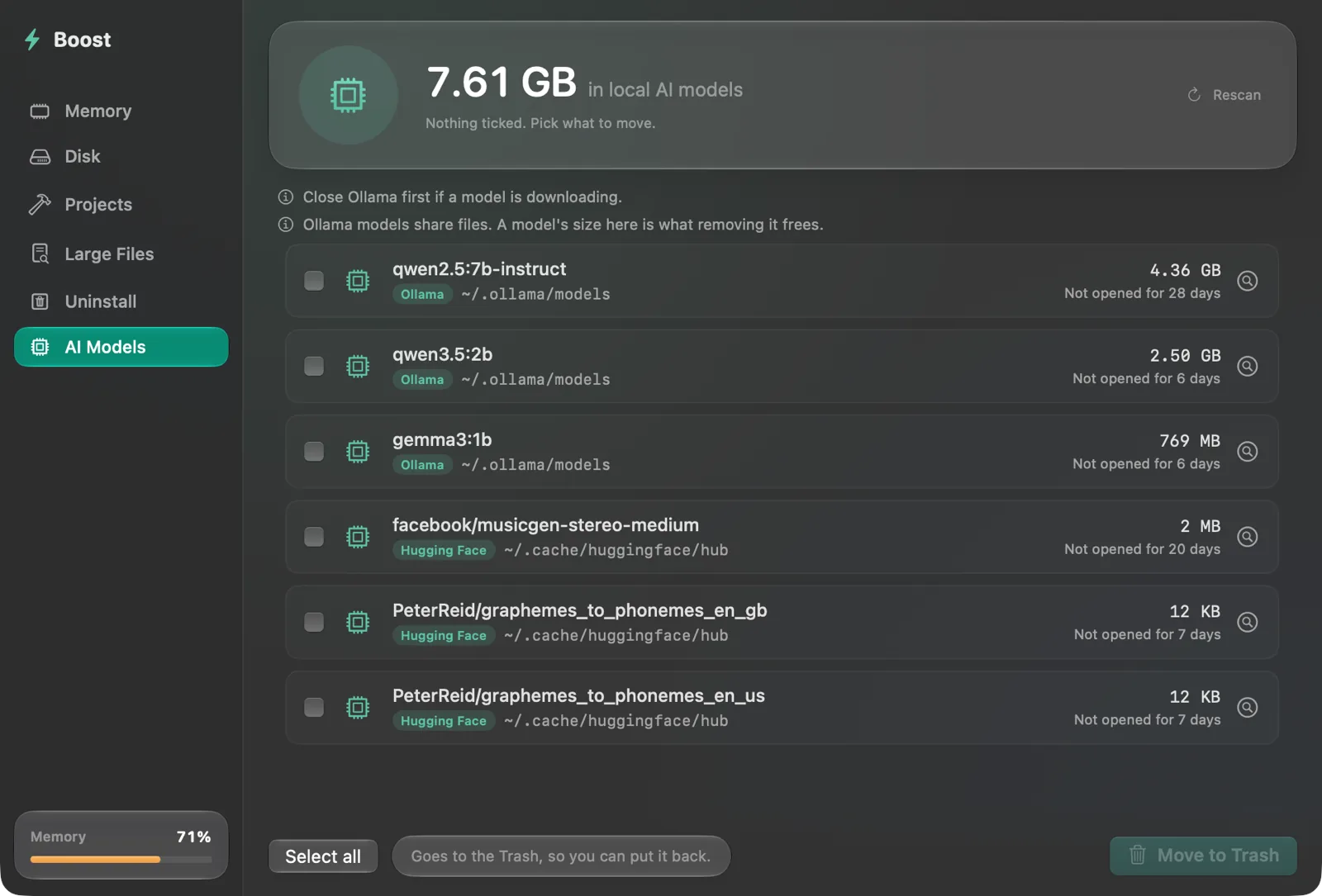
A free, open-source Mac app for memory and disk space that lives in the menu bar and tells you the truth. The popover shows memory pressure, swap and the apps using the most, Free Memory asks macOS itself to release idle pages, and a week of history shows when your Mac struggled. Pause freezes an app and its helpers instead of quitting it, with a watchdog that resumes anything left frozen. On the disk side it finds caches the owning tool rebuilds, old node_modules and build folders in projects you have not touched, the biggest files in your folders, and the models that Ollama, Hugging Face and LM Studio downloaded. Nothing is ticked for you, almost everything goes to the Trash, and each resolved path is checked again before anything is removed. The Uninstall tab lists what an app left behind first. Written in Swift, one universal binary for macOS 14 or later, with the Liquid Glass look on macOS 26, installable with Homebrew, with no analytics, telemetry or network access. GPL-3.0, now at v1.5.0.
-
Kandle
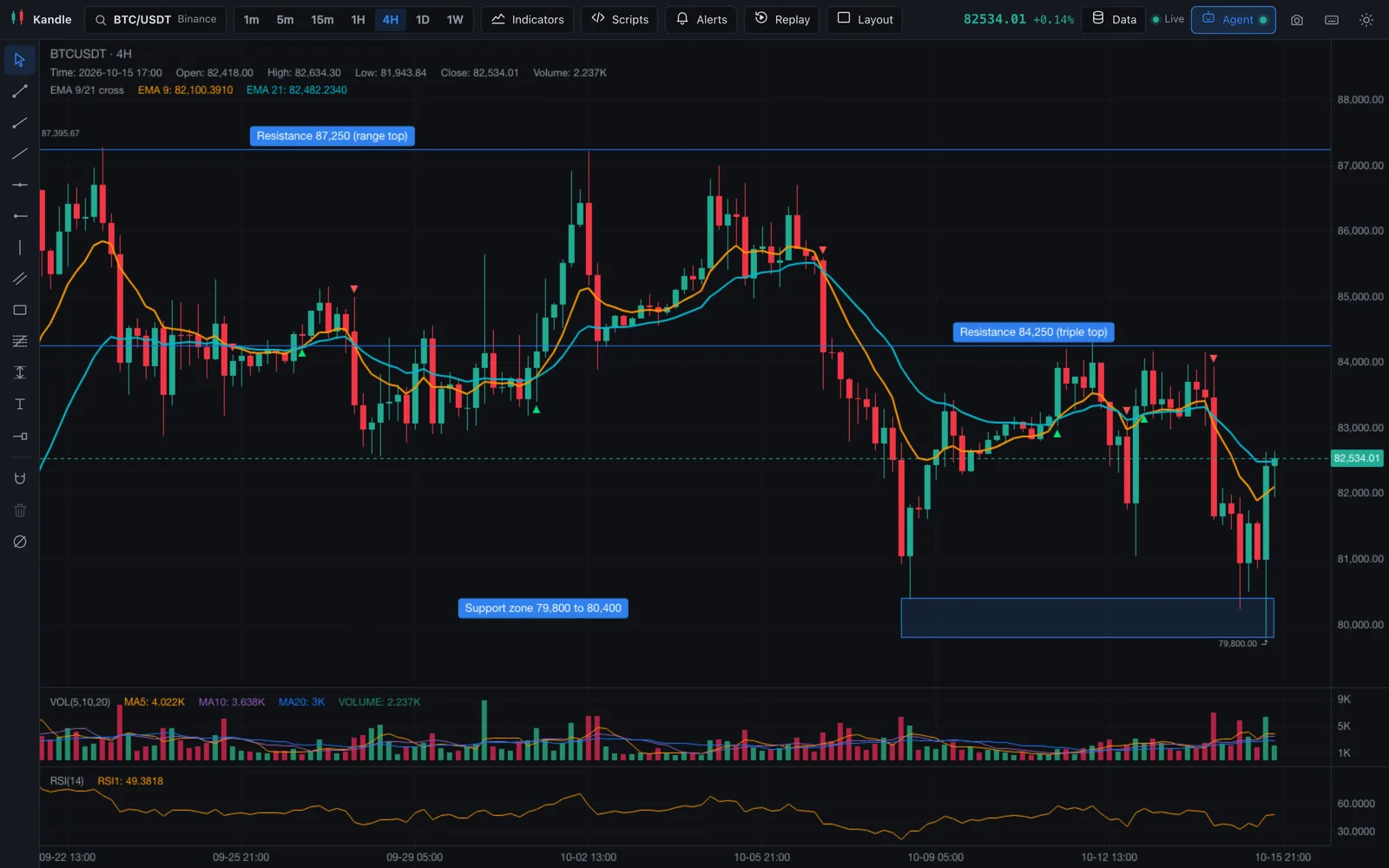
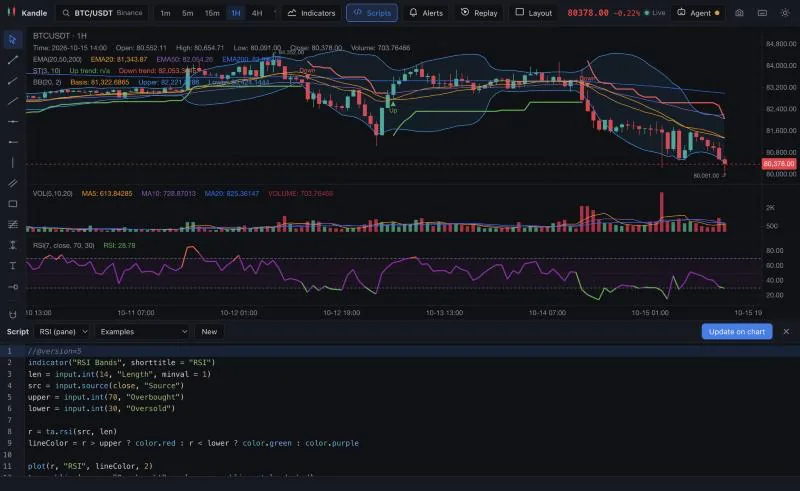
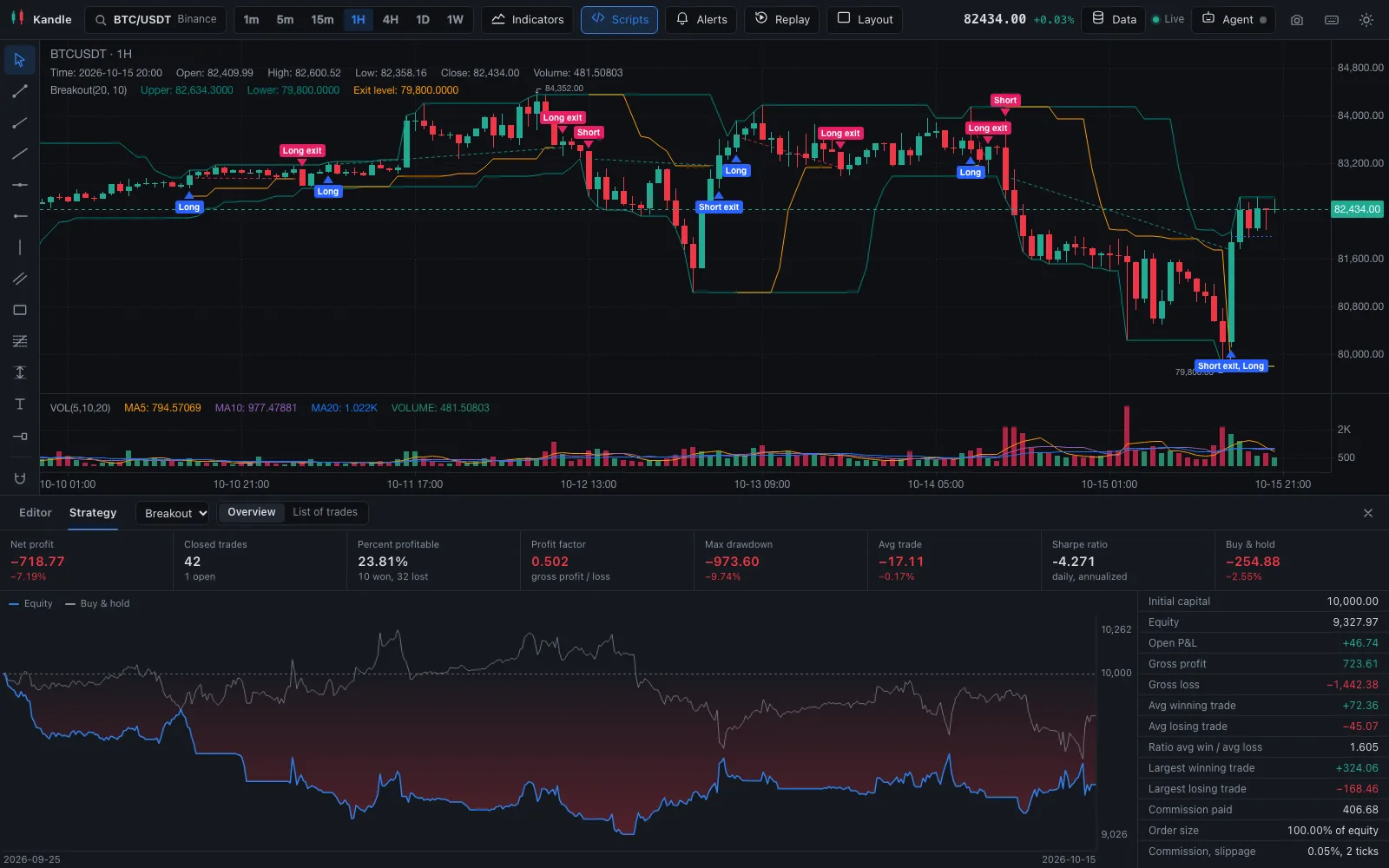
A free, open-source charting app for crypto, stocks and forex that runs in the browser, with no account and no server of its own: market data goes from each provider straight to your browser, and your charts, scripts and API keys stay in local storage. It has 36 indicators, drawing tools, your own indicators and strategy backtests written in Kandle Script, alerts, bar replay, comparison of up to five symbols on one chart, up to four charts on screen, and share links and embeds. It also ships an MCP server with 28 tools, so Claude Code, Codex, Cursor or Gemini CLI can read the chart, draw levels, set alerts, run scripts and take screenshots; the bridge is off by default, listens only on 127.0.0.1 and needs a pairing code. Written in TypeScript, MIT licensed, listed in the MCP Registry, now at v0.11.0.

-
Narrata
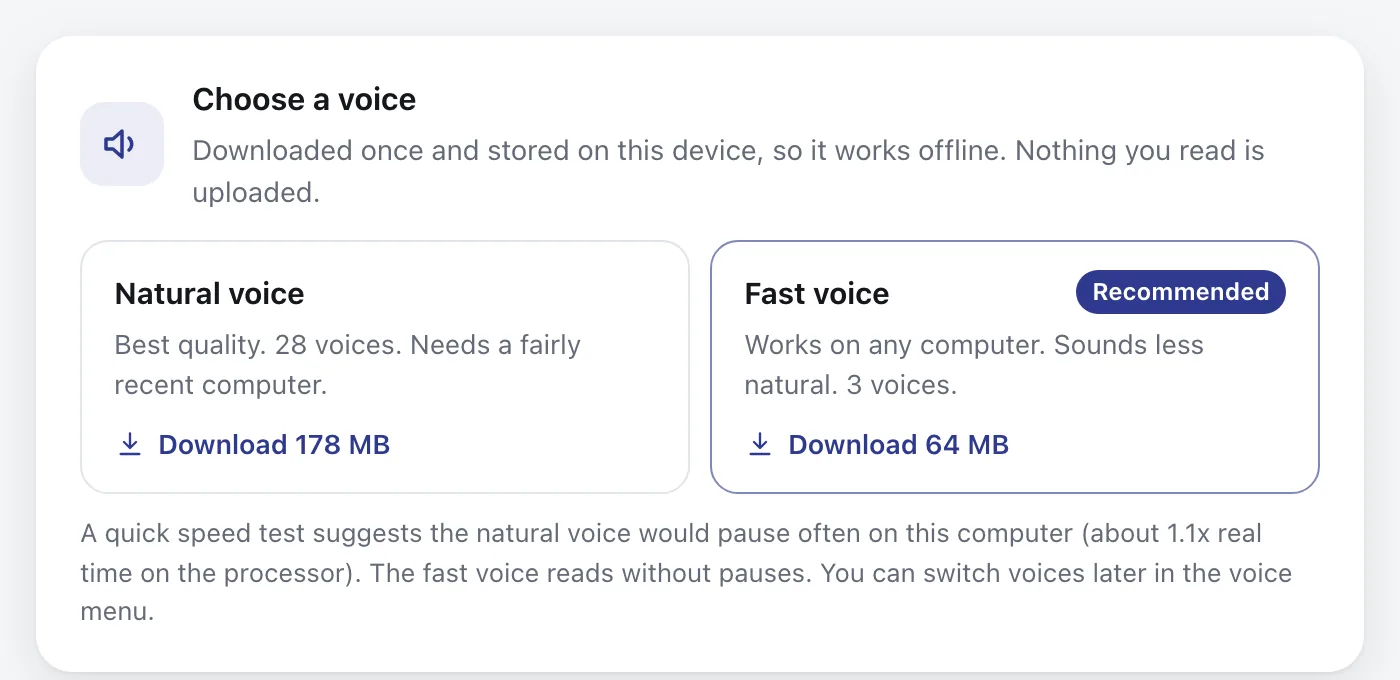
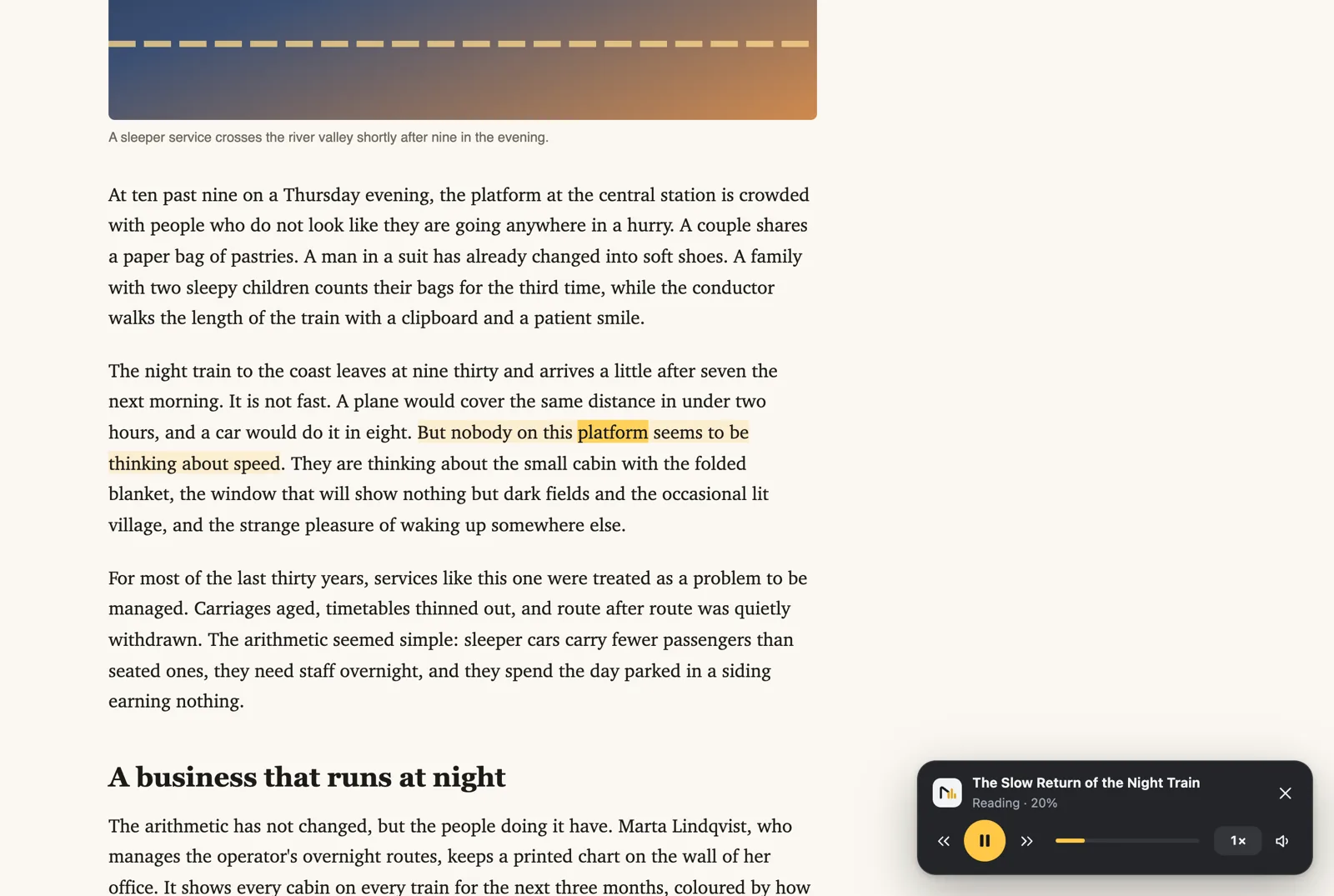
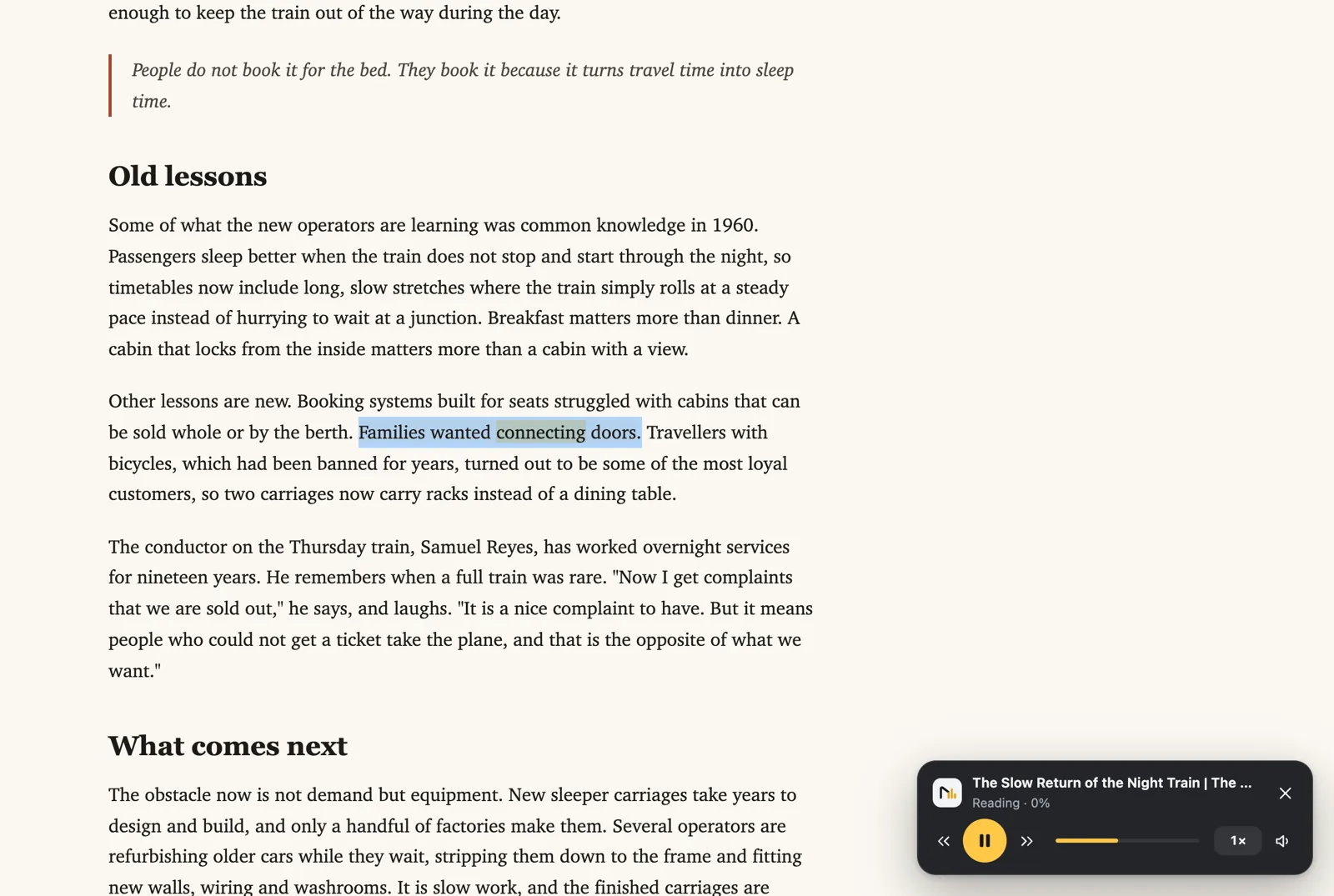
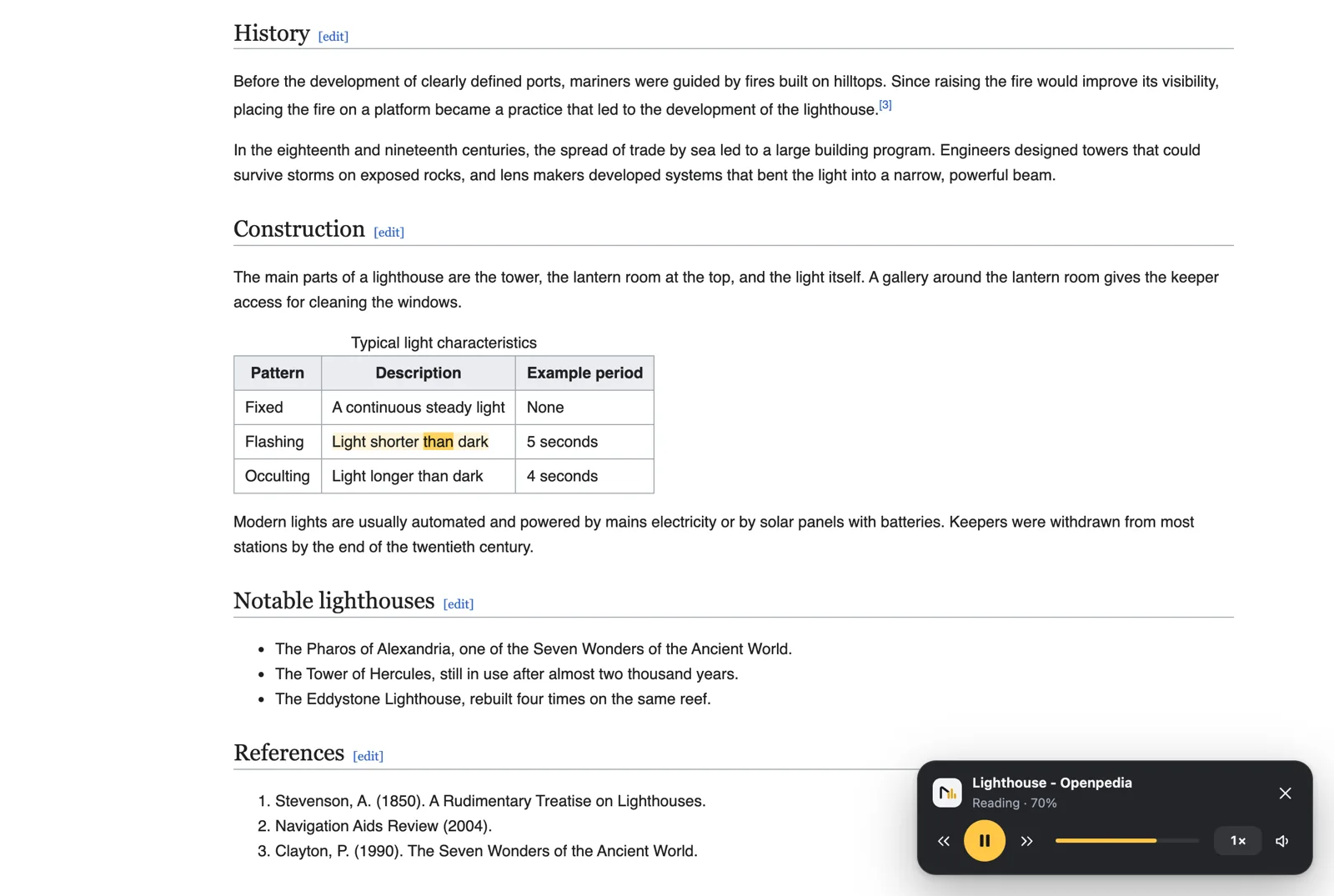
A free, open-source alternative to Speechify that reads PDFs, EPUBs, web pages and your own text aloud and highlights each word as it is spoken. The voice runs in your browser: nothing you read is uploaded, there is no account, and after a one-time download it works offline. It has 28 natural voices and 3 fast ones for older computers, speed from 0.5x to 3x, reading fonts including OpenDyslexic, saved reading positions, audio export and a custom pronunciation list (the extension does not use it yet), and a Chrome extension that reads the page you are on and highlights the spoken word there. The voices are English only. Written in TypeScript, MIT licensed, new as of October 2026 and now at v0.2.0; the extension is not in the Chrome Web Store yet.
-
Vesper
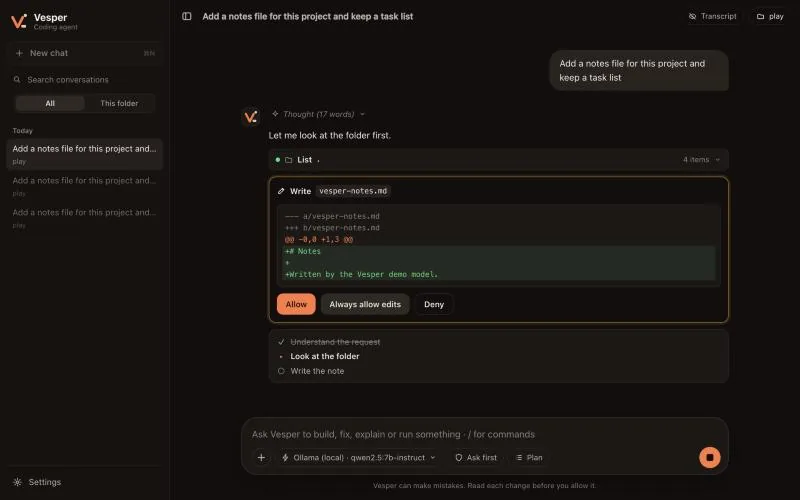
An AI coding agent that works inside your folders, from the terminal or a desktop app. It reads and searches your files, edits them and runs commands, and by default asks before it changes a file or runs a command. It can plan before it acts, keeps a task list on longer jobs, shows a diff for every edit and can undo its own changes. Every conversation is saved, so you can resume it later and see exactly what the agent did. It works with 17 model providers or offline with Ollama, supports MCP servers, custom slash commands and skills, and can run your tests after each edit. It also reads Word, PowerPoint, Excel and EPUB files, not only code. Written in Python, MIT licensed, new as of November 2026 and now at v0.32.0; the desktop app runs on Apple Silicon Macs, x86_64 Linux and Windows.
-
Aurora
A behavioral analysis platform: it records a webcam session, measures facial and movement signals, and turns them into an explainable report that shows its evidence and states its limits. Aurora is in beta, built for lab researchers, clinics and dedicated users. It is closed-source and will be a paid product, so there is no public repository.
-
RESYS NIS2 Study
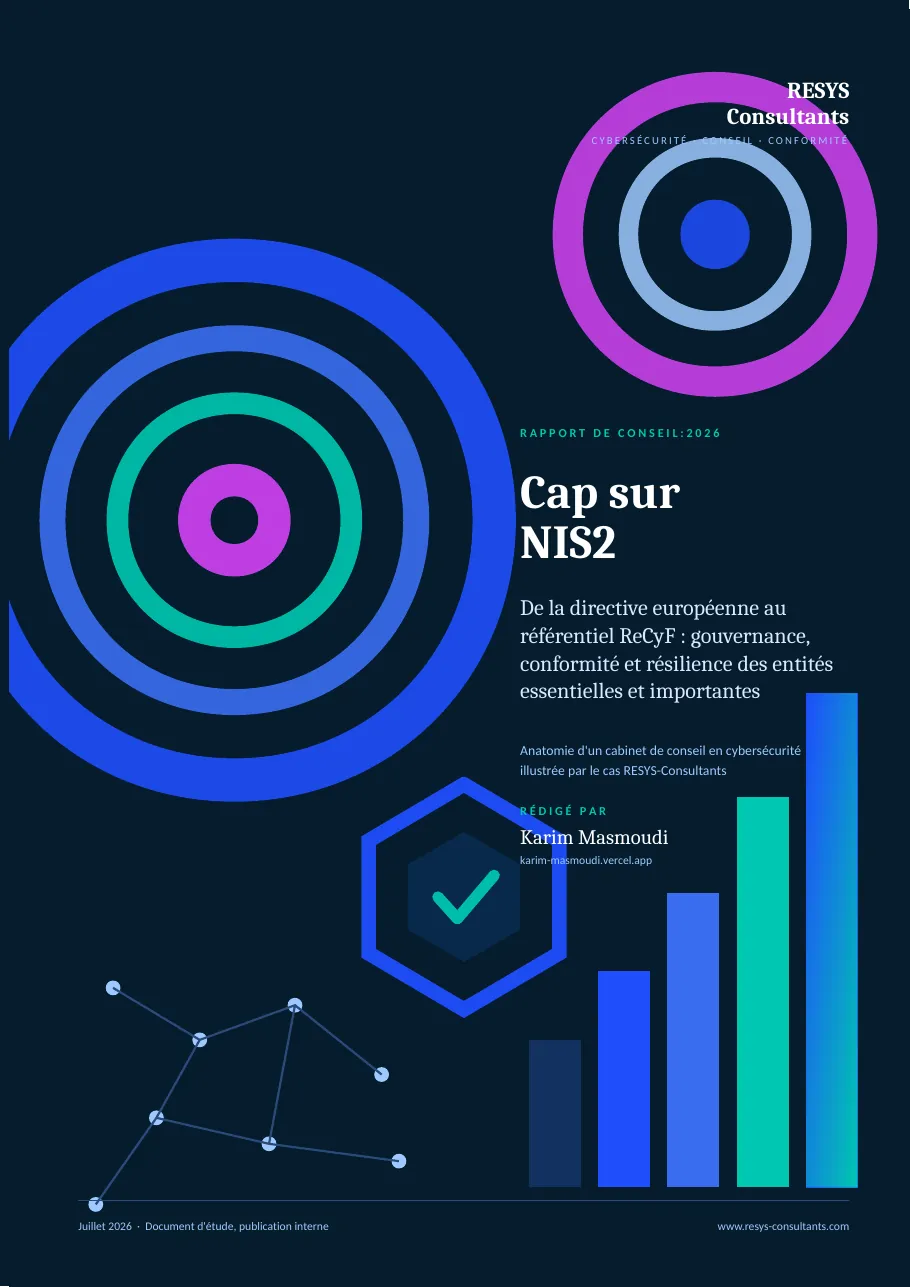
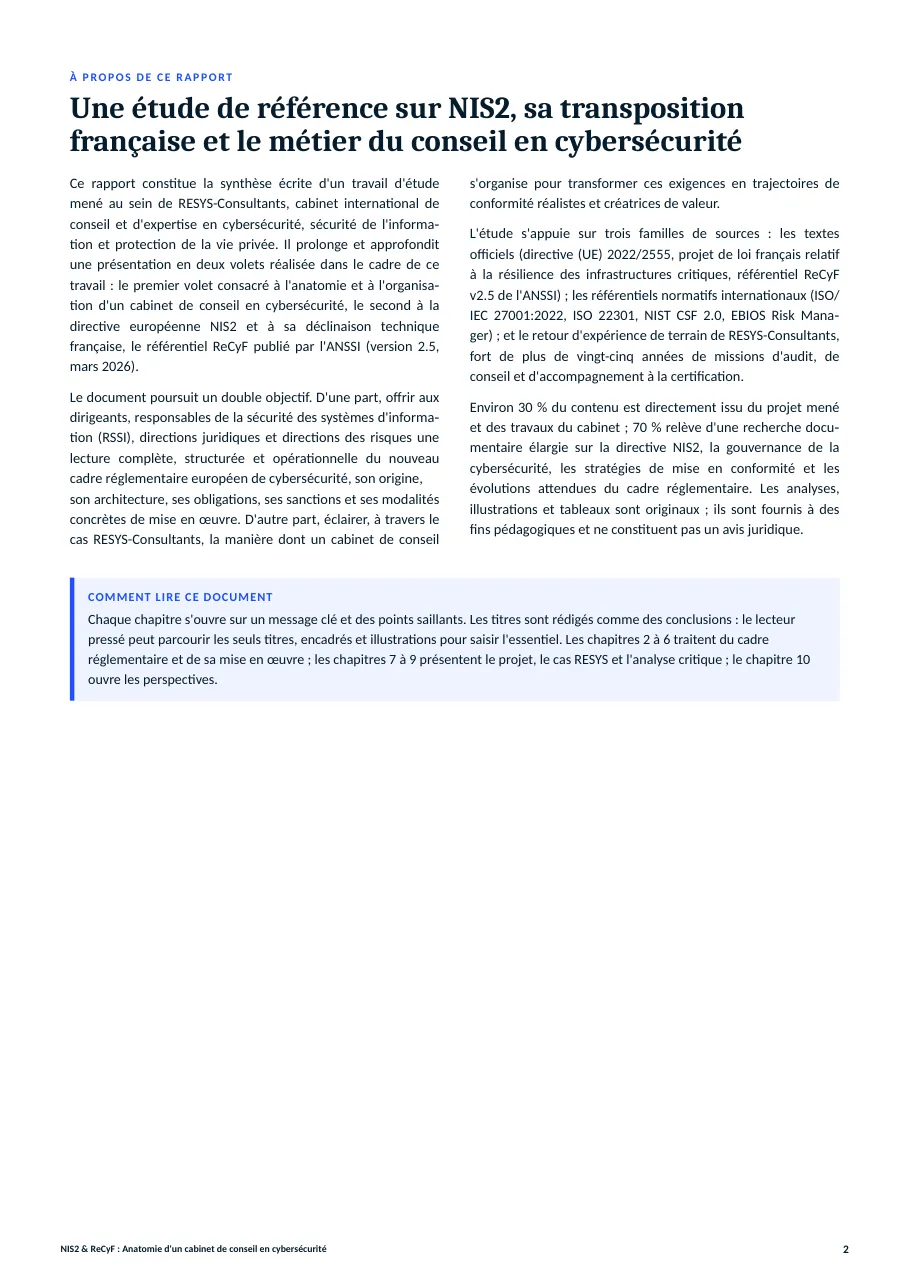
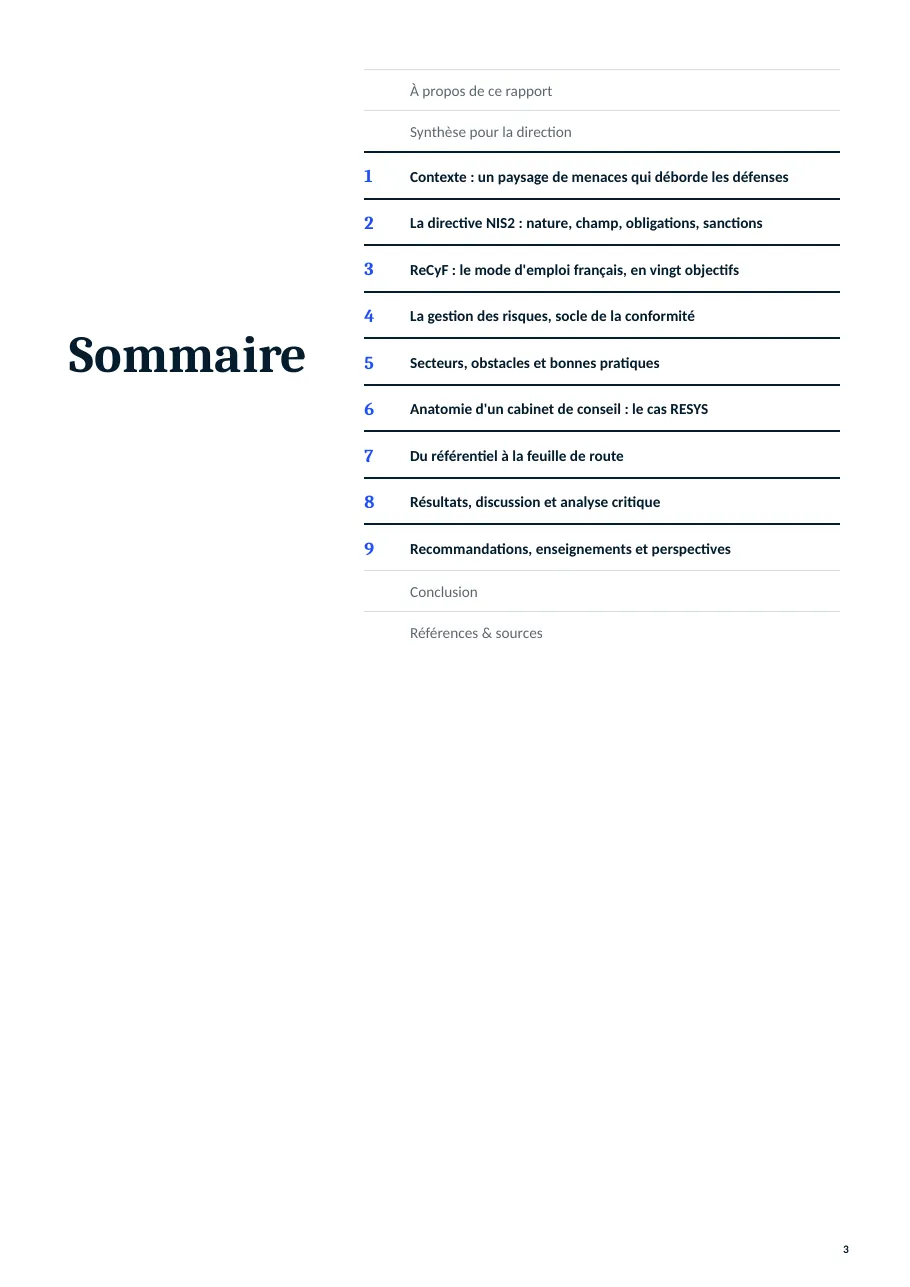
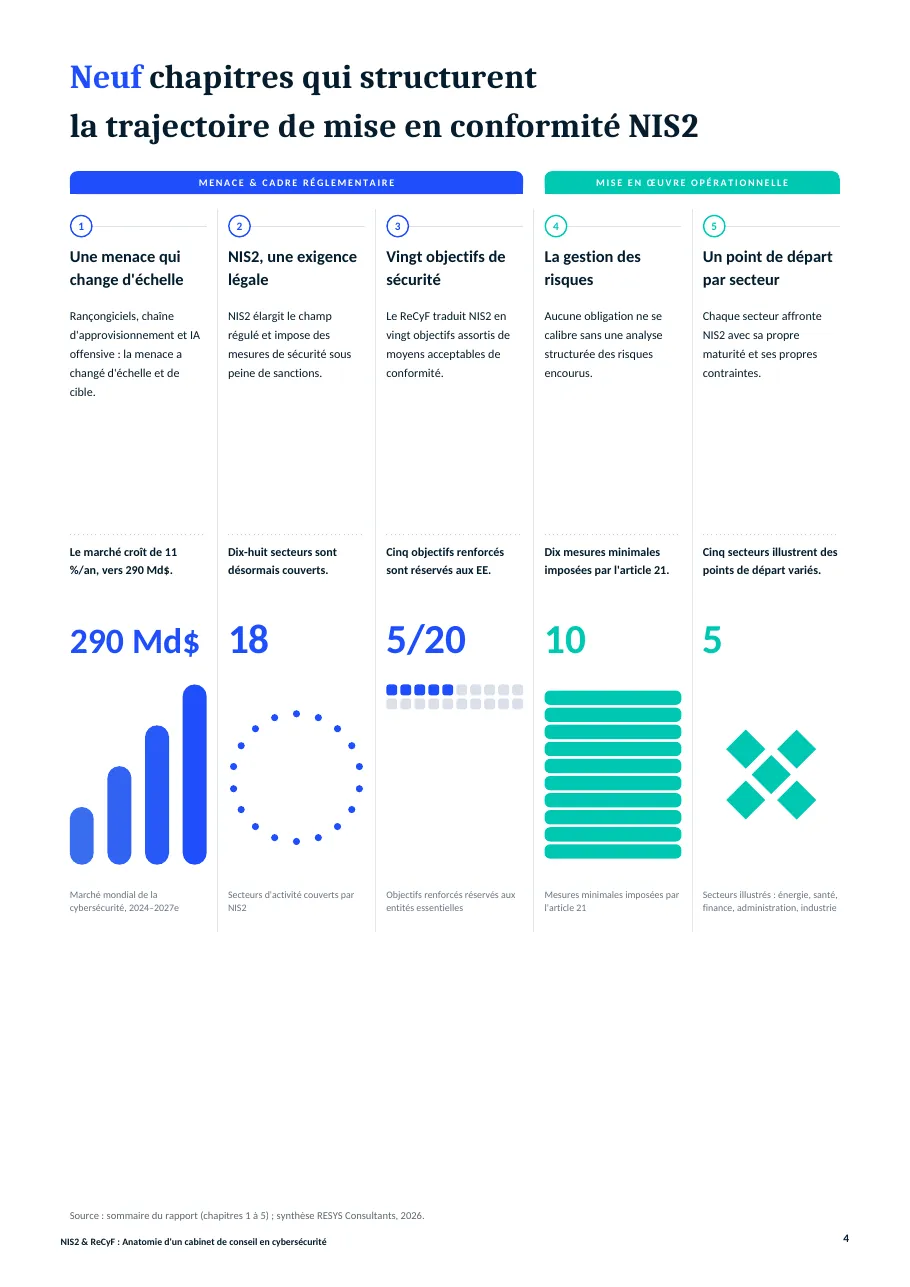
My two-month internship at RESYS-Consultants (July to August 2026), in the cybersecurity consulting department, turned into five deliverables on the NIS2 directive and its French transposition, the ANSSI ReCyF referential. A 49-slide presentation on how a consulting firm is organised and on NIS2; a 48-slide course deck with one slide per ReCyF objective; a maturity assessment report on the firm's own 91-control instrument (scores by domain, a gap against a level 3 target, a twenty-action plan over three horizons), run on a reference scenario because client work is confidential; a carbon footprint tool on the ADEME Bilan Carbone method, with 33 sourced emission factors; and Cap sur NIS2, a 51-page study in French that I wrote on my own initiative. Only eleven pages of that study are shown here, as extracts: it is an internal publication, so the full document is not hosted.
-
Dashboard
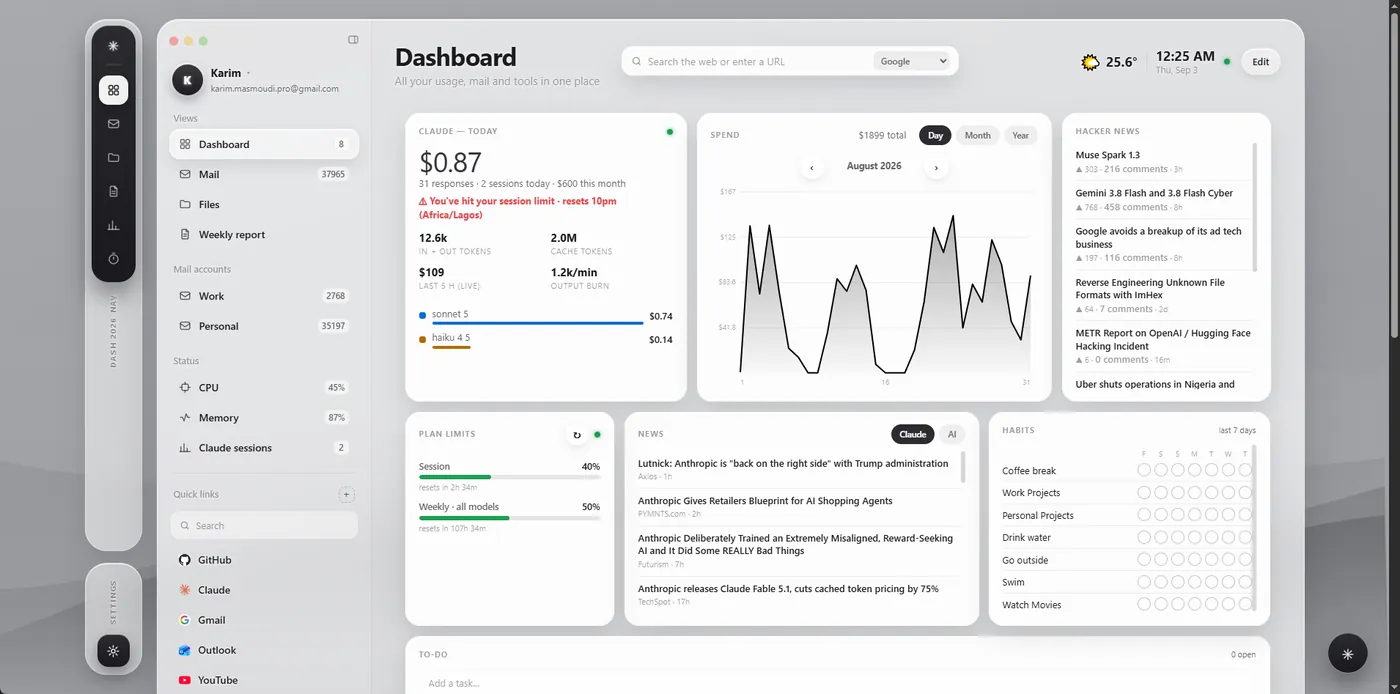
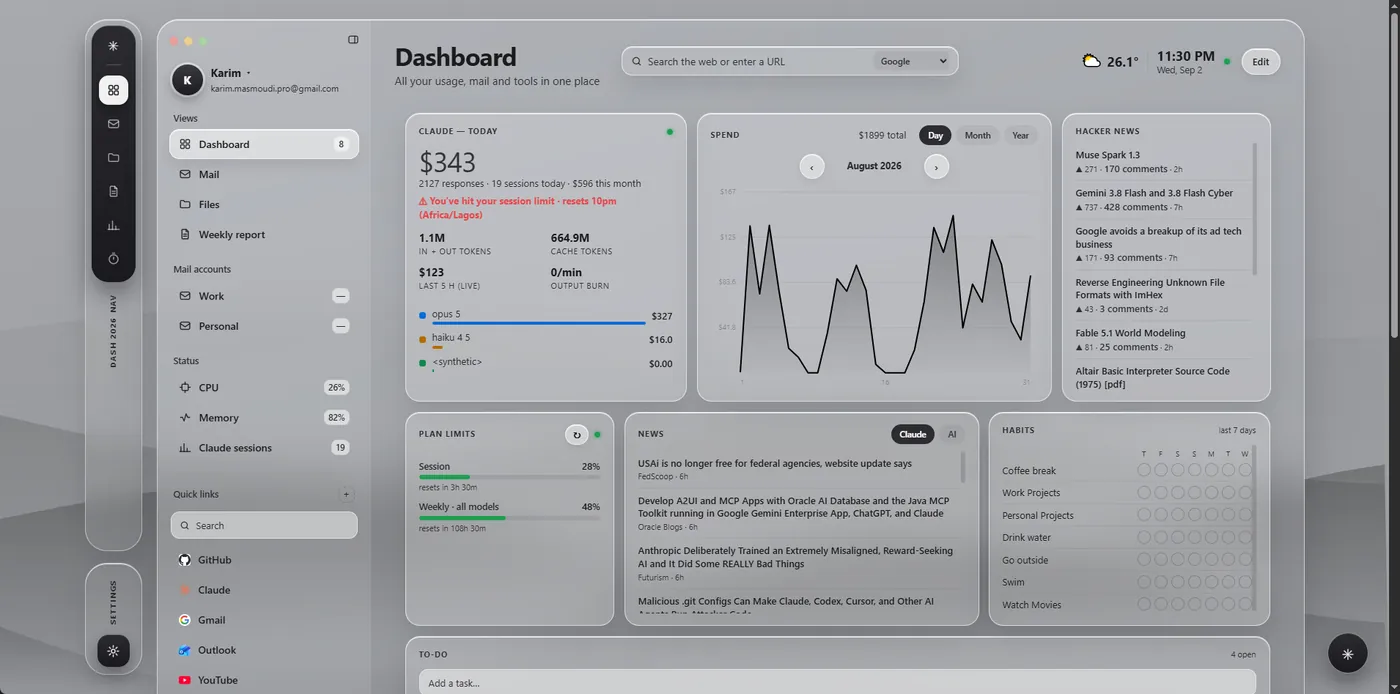
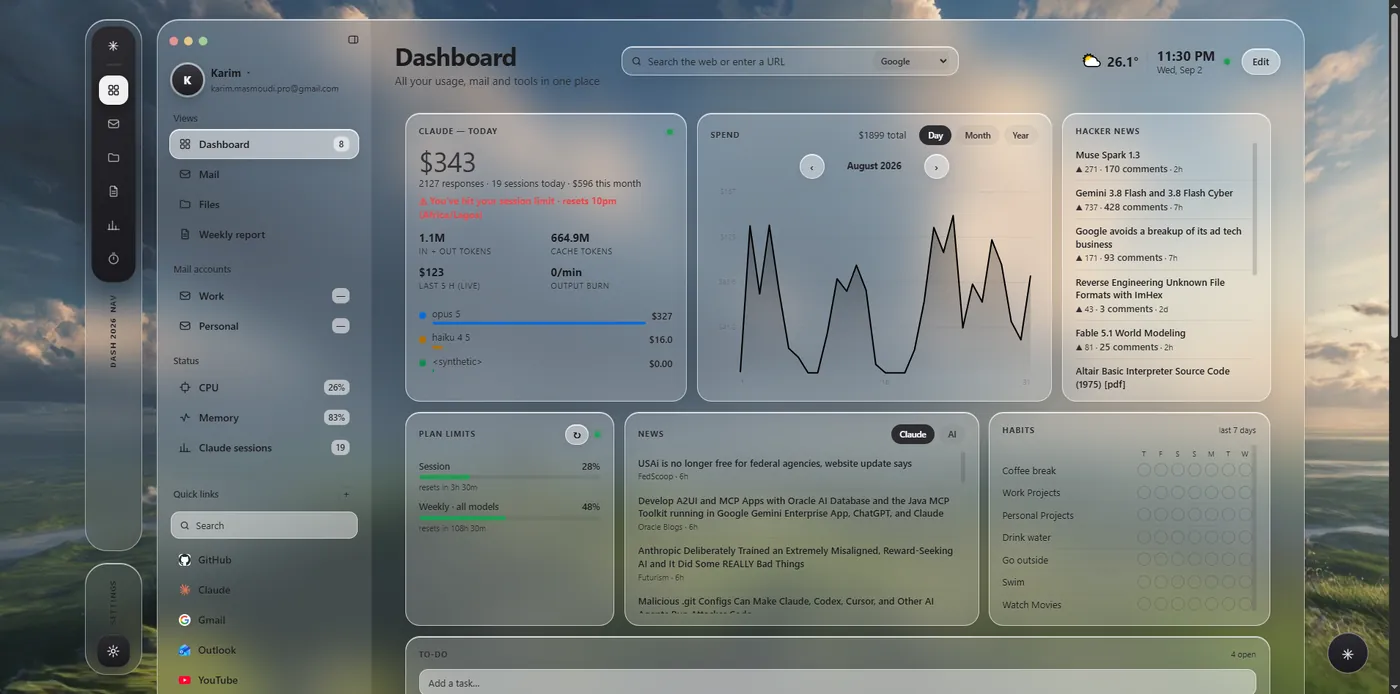
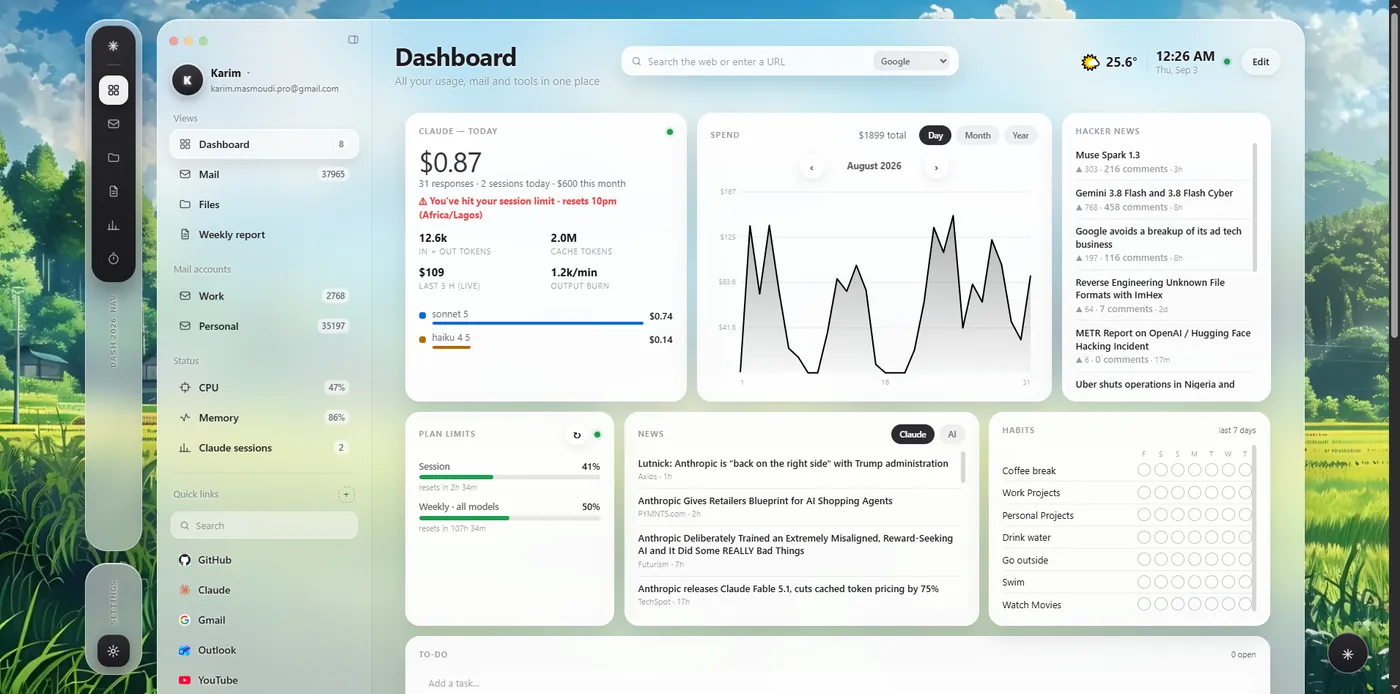
A React + Node desktop-web app that centralizes everything I check daily: real-time Claude Code spend and token usage (parsed live from local session logs), two Gmail accounts with full read/write/delete, a local-LLM AI assistant with voice that can manage my tasks, weather, habits, focus timer, and more, all in a hand-built glassmorphic UI with a fully custom, documented design system. Everything runs locally; no paid APIs, no cloud lock-in.
-
E-Portfolio - Karim Masmoudi
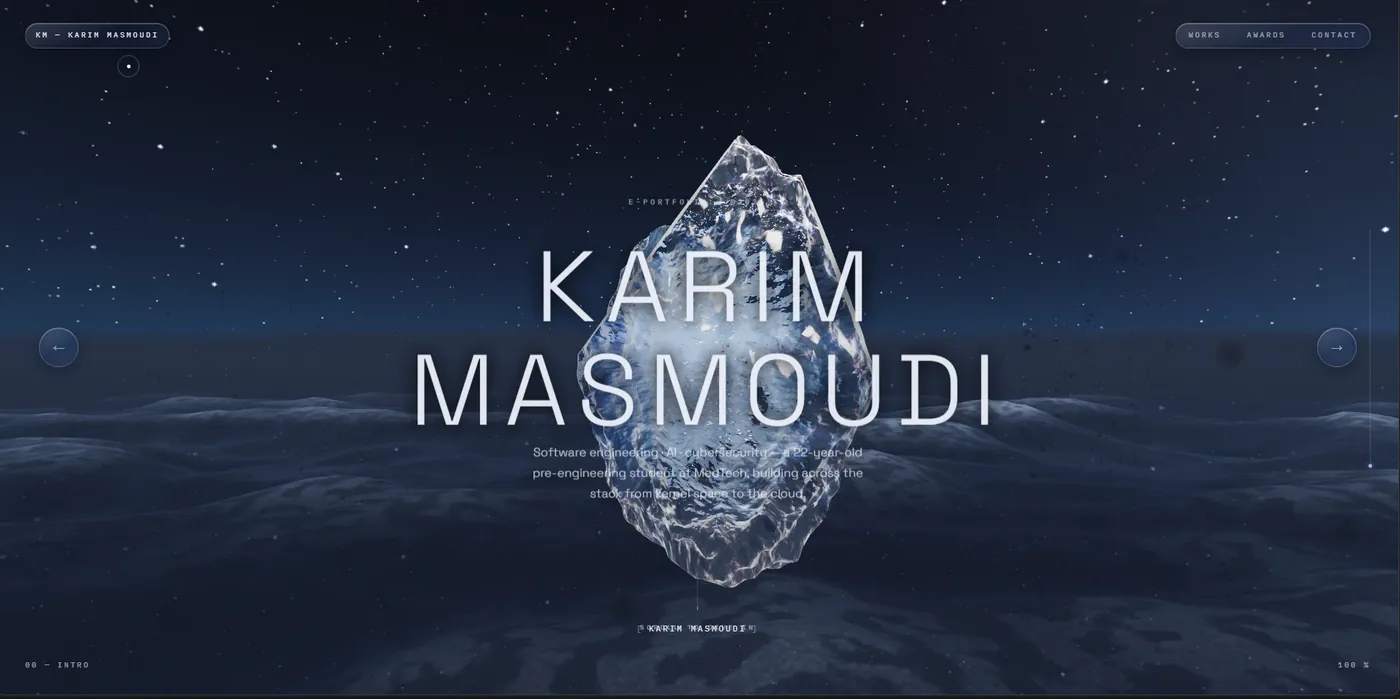
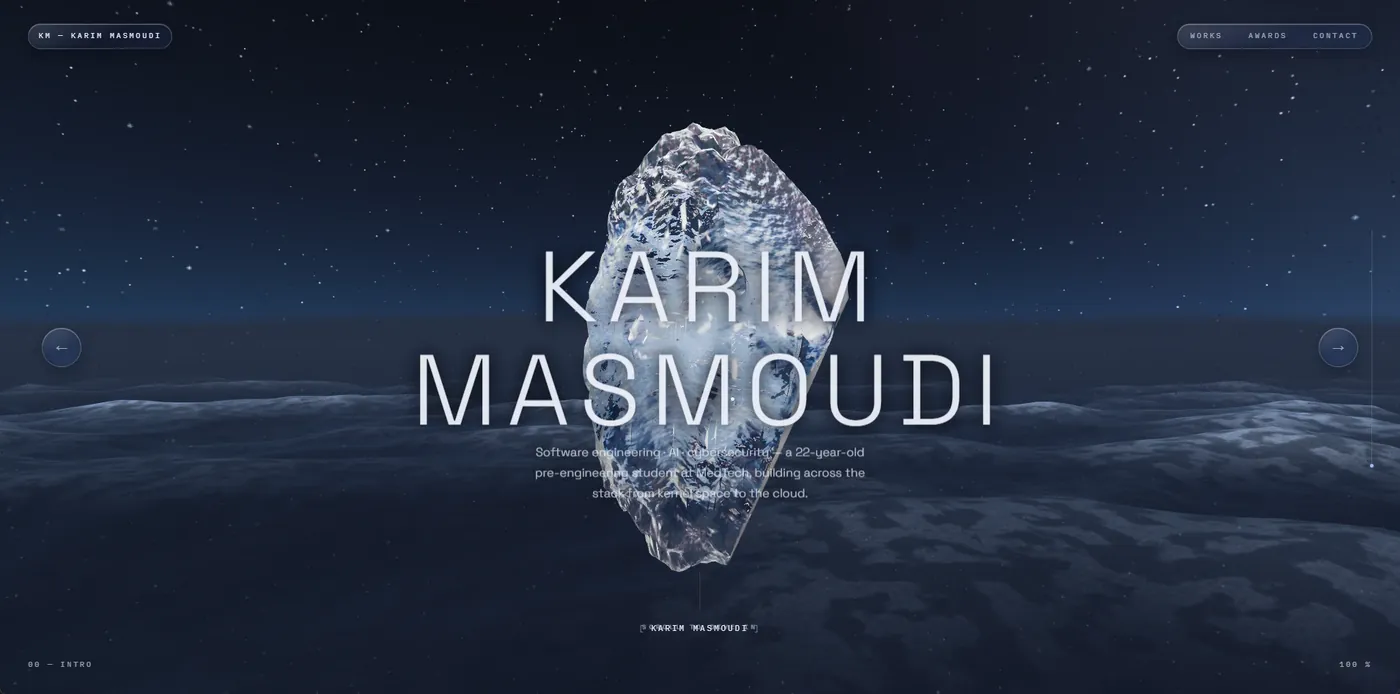
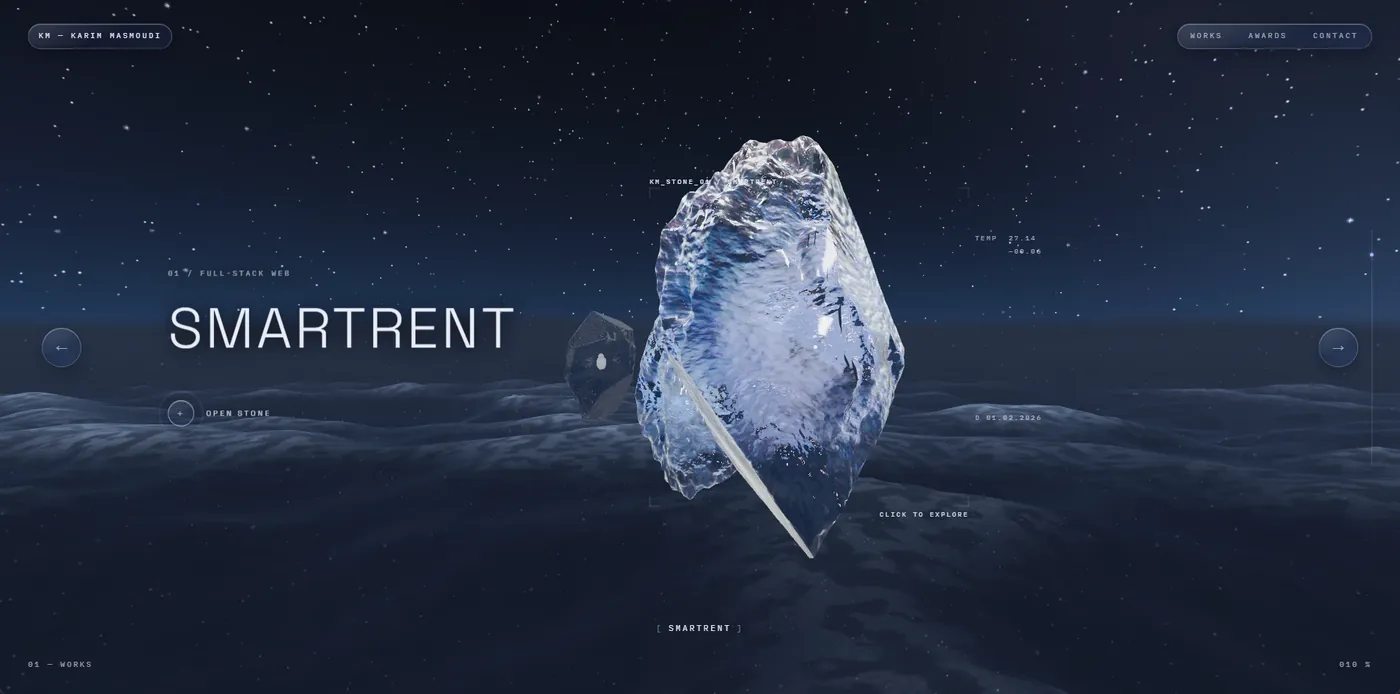
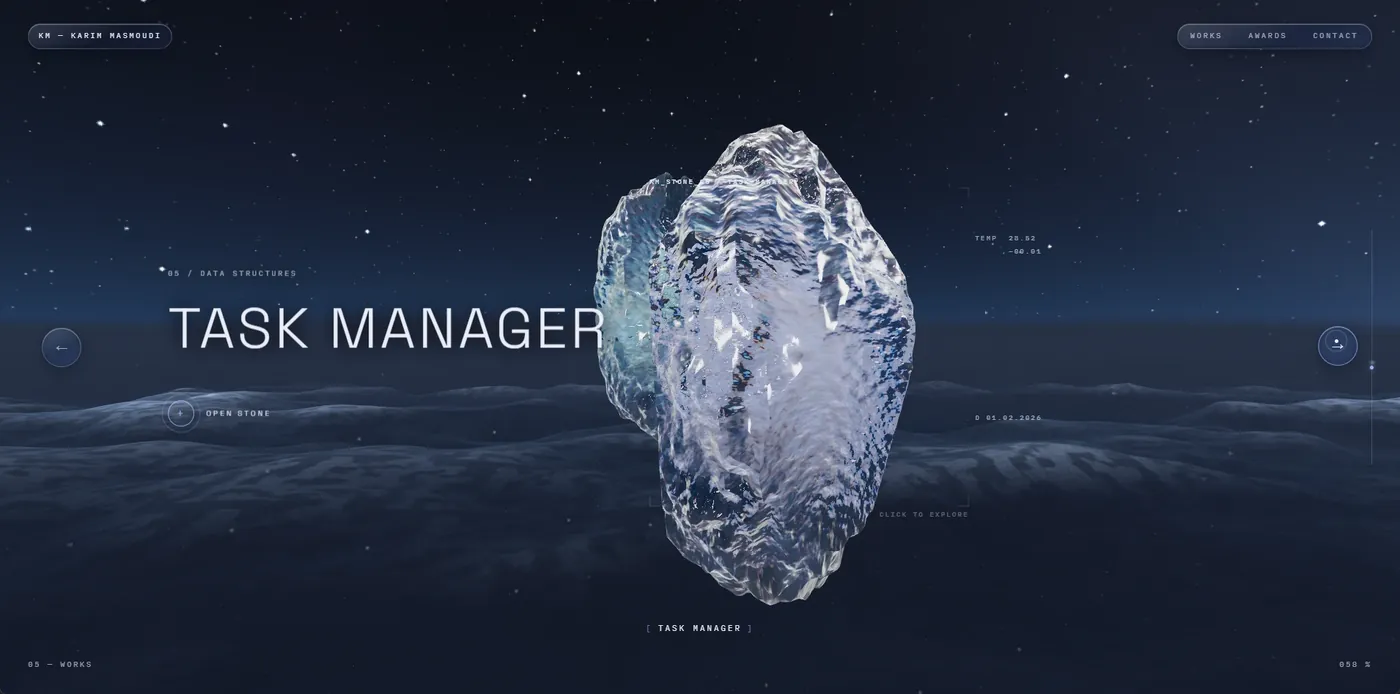
An award-style, immersive one-page portfolio: a scrollable art gallery with real-time WebGL graphics, smooth inertia scrolling and cinematic animations. Inspired by Awwwards-winning sites.
-
Task Management Application
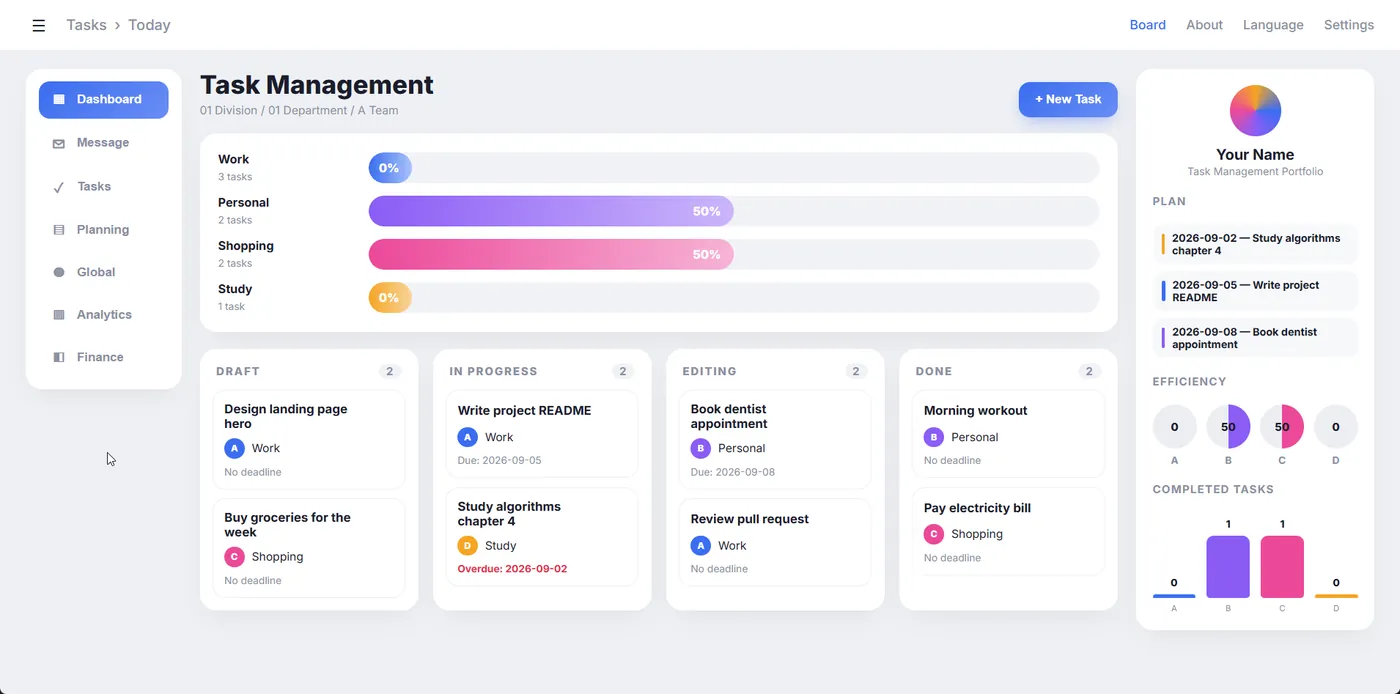
A task management app with drag-and-drop kanban board, category-based progress tracking, deadline alerts, and completion analytics. Originally built in Java with priority-queue/stack-based task scheduling and undo support; redesigned with a modern dashboard UI in HTML/CSS/JS.
-
Slim Masmoudi E-Portfolio
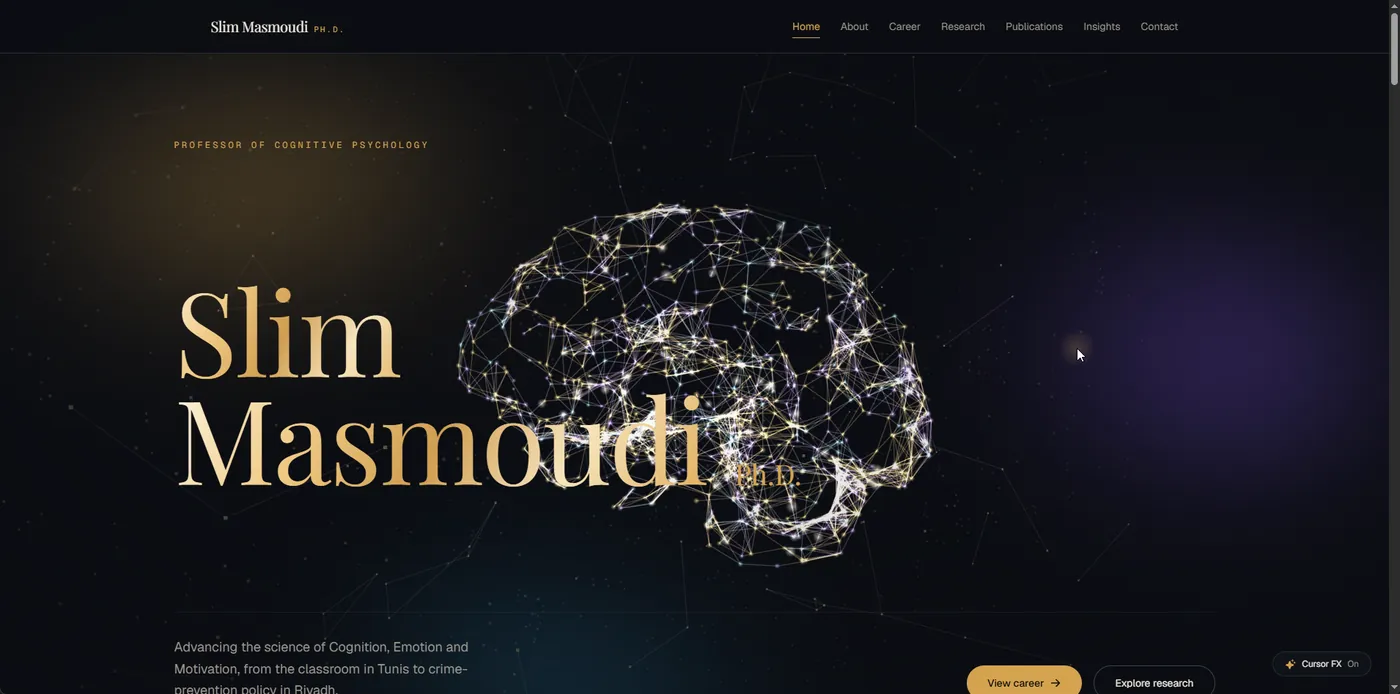
A cinematic academic portfolio site for a cognitive psychology professor, built around a hero centerpiece: a WebGL point cloud sampled from a real anatomical brain scan, with glowing neural connections, cursor-driven interactivity, and drag-to-rotate. The visual language (aurora gradients, glass-panel surfaces, film grain) carries through every page so the site never drops into a static "brochure" feel. Fully responsive with tuned performance budgets for mobile (reduced particle counts, capped pixel ratio), scroll-reset-safe client-side routing, and an opt-in ambient cursor-trail effect with persisted user preference.

-
SmartRent
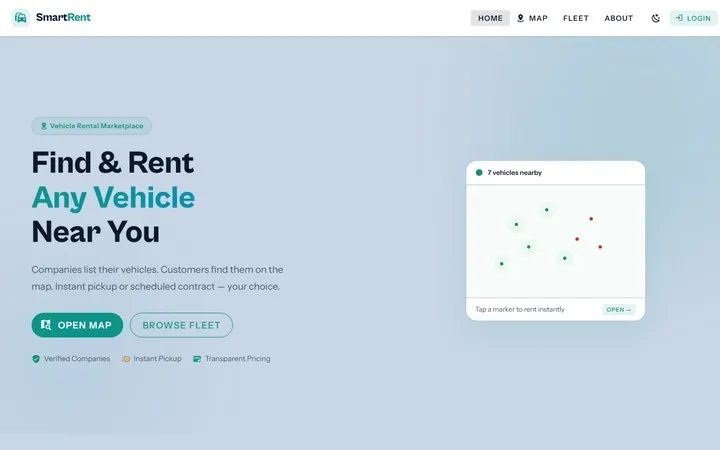
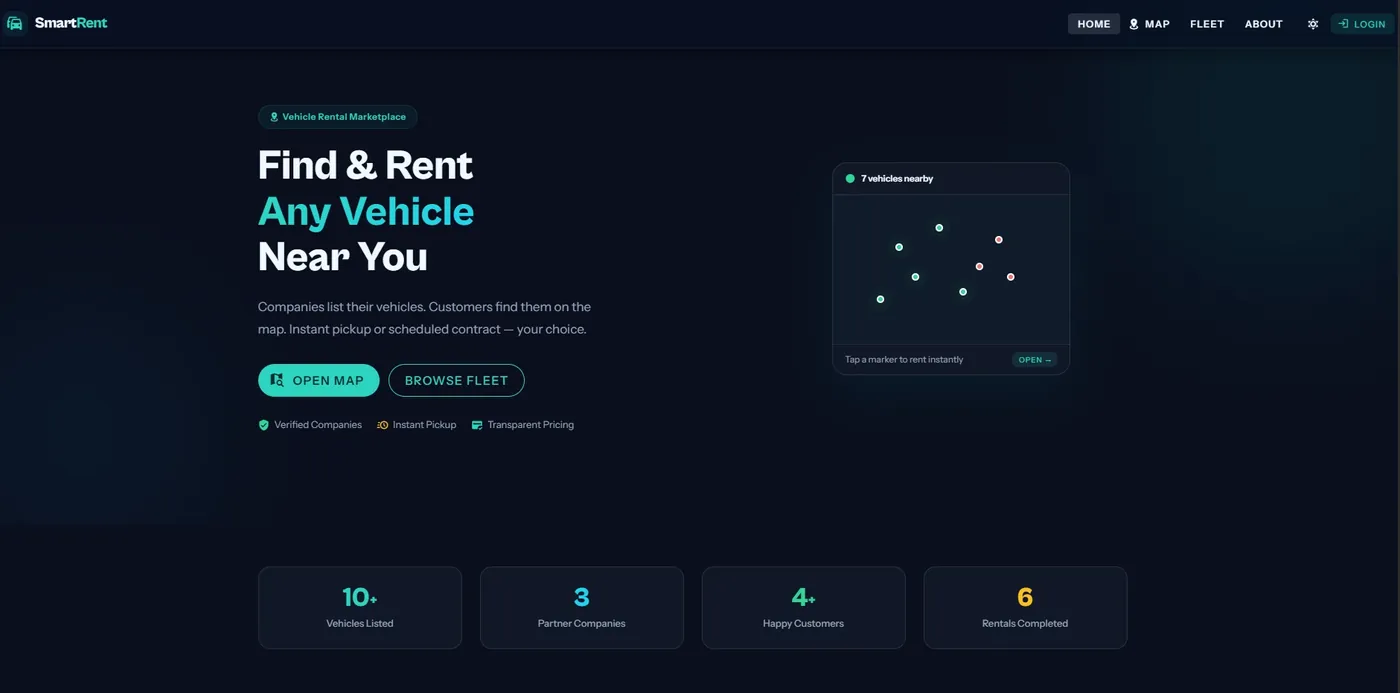
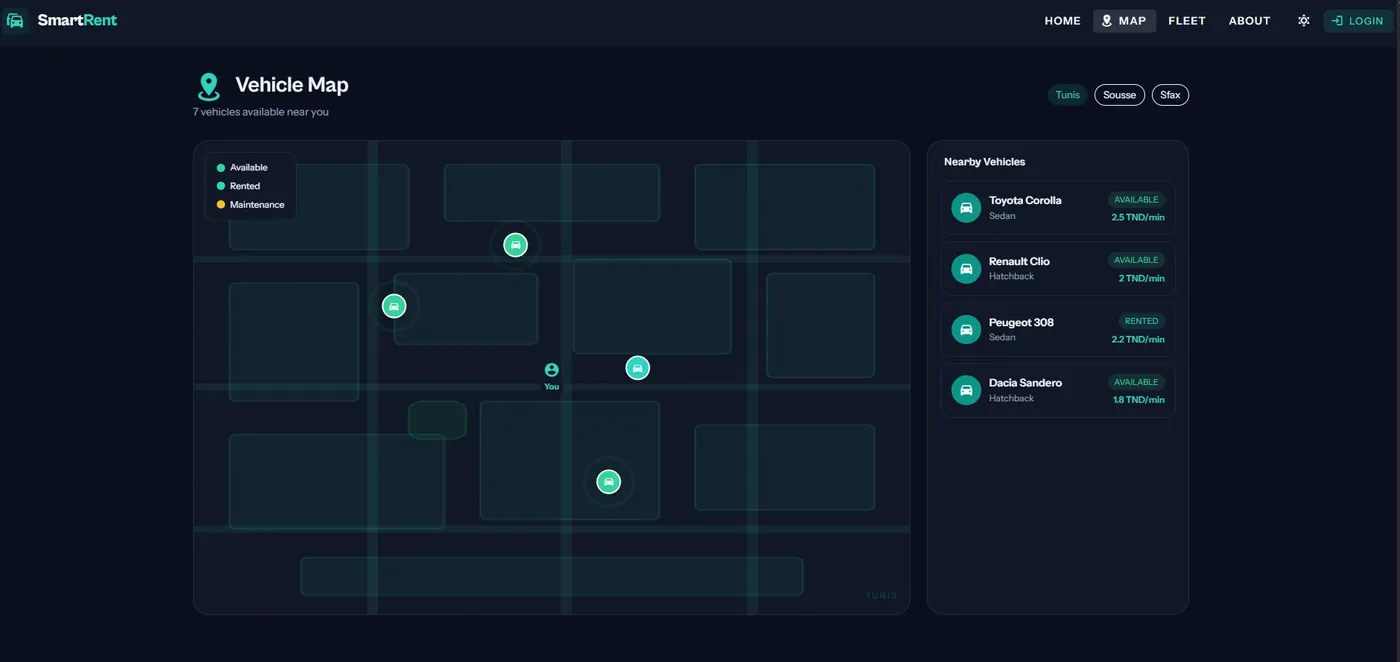
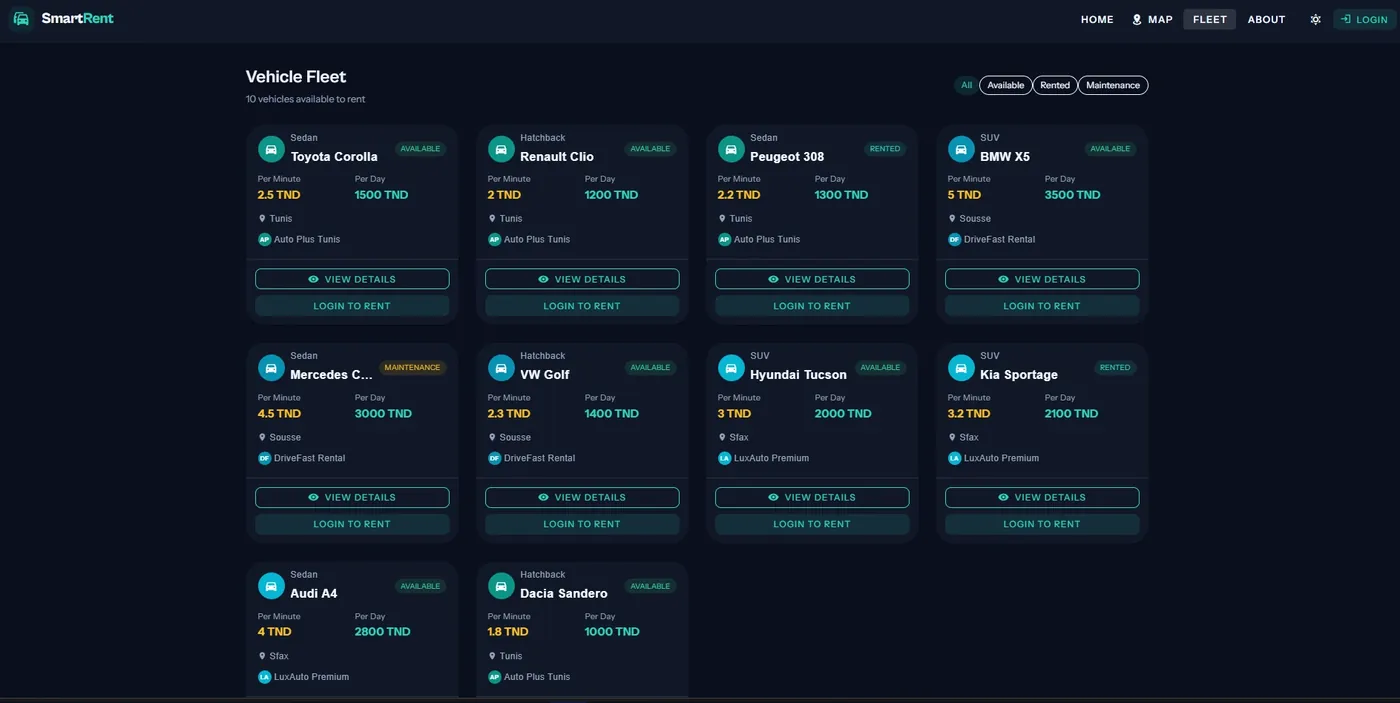
A full-stack vehicle rental marketplace built with Vue 3, Vite and Vuetify 3, developed with a team of four and deployed on Vercel. It carries an animated interface, light and dark theming, map integration and localStorage-backed state. Built as an academic ISS project.
-
kernel-experiments
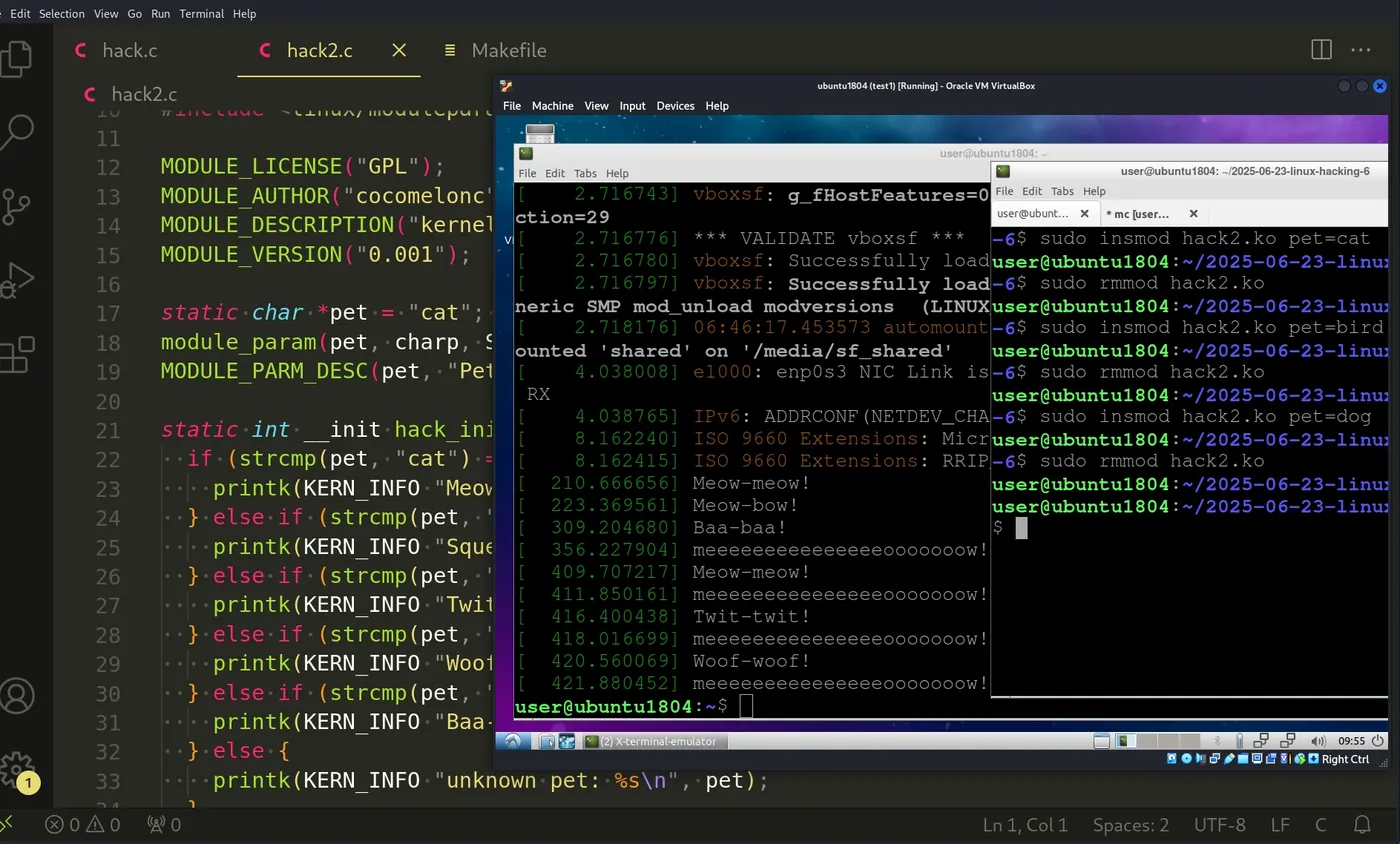
Experimental kernel modules and OS prototypes for exploring low-level system programming: memory handling, scheduling and security mechanisms. This is where the Kernel-Hunter name comes from.
-
Smart Mirror System
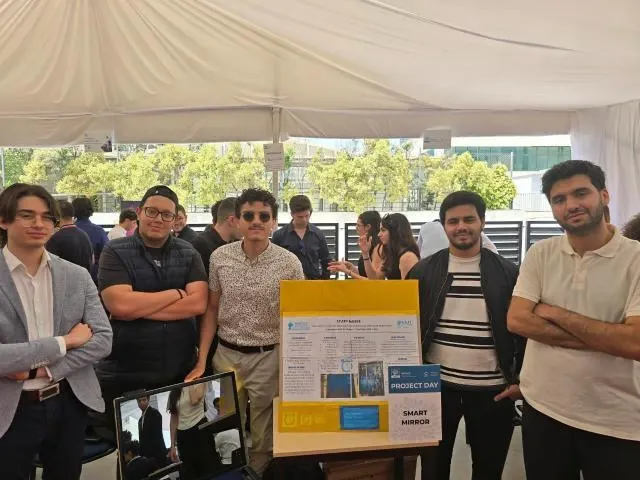
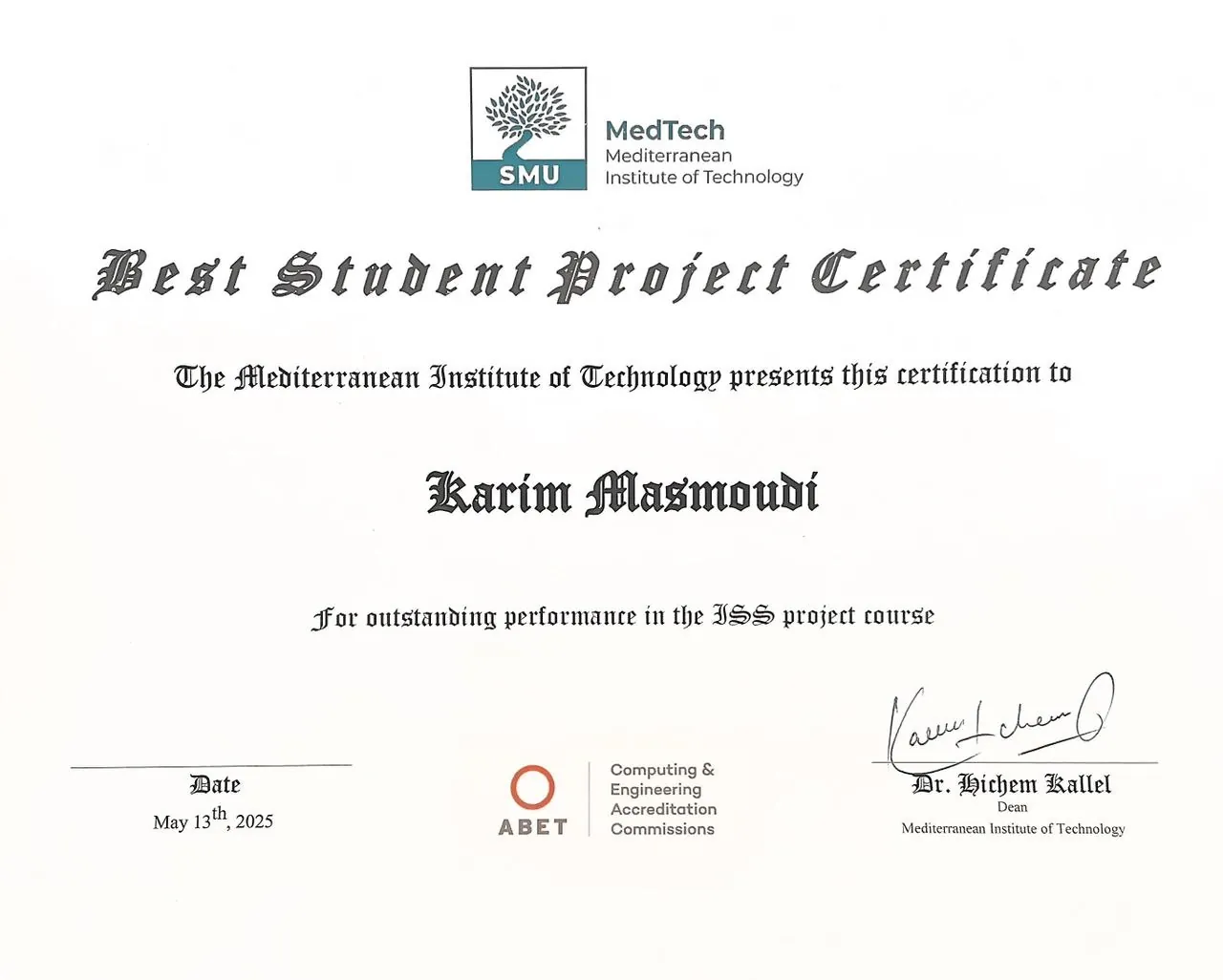
2nd place, University Innovation Challenge
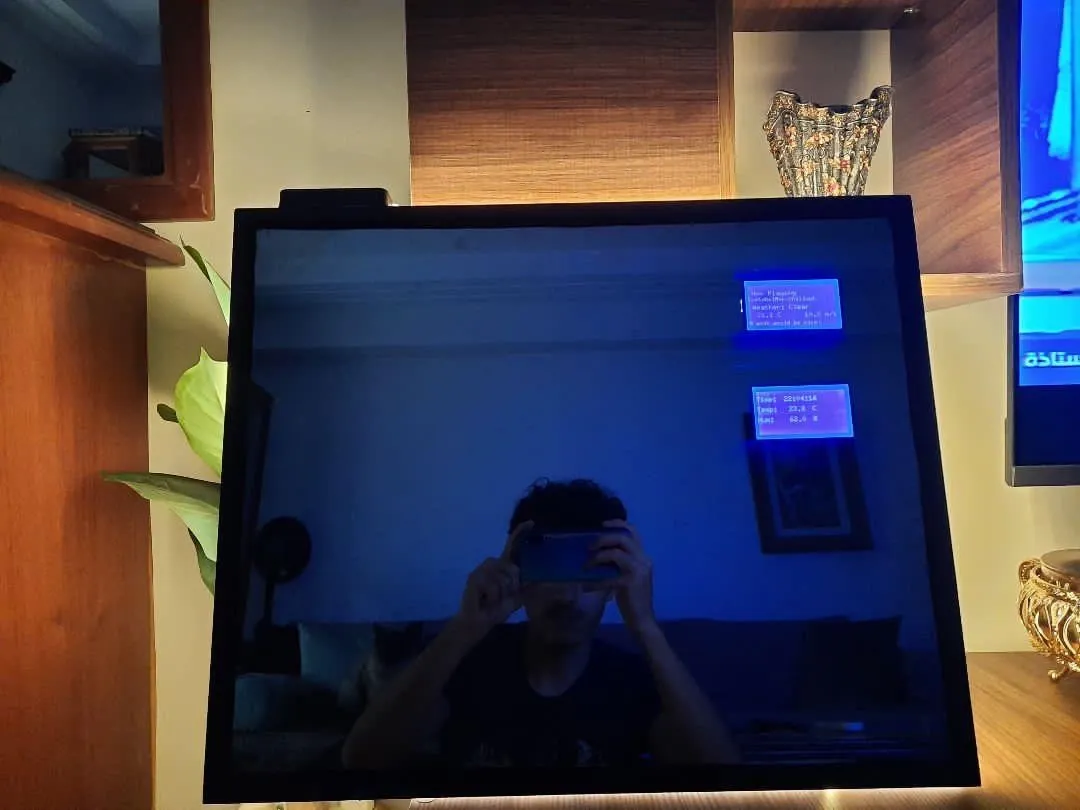
An interactive mirror built on ESP32 and Raspberry Pi that shows real-time weather and calendar data behind the glass, with sensor-driven ambient feedback reacting to the room. It took second place in the University Innovation Challenge.
-
CoreSentinelAI
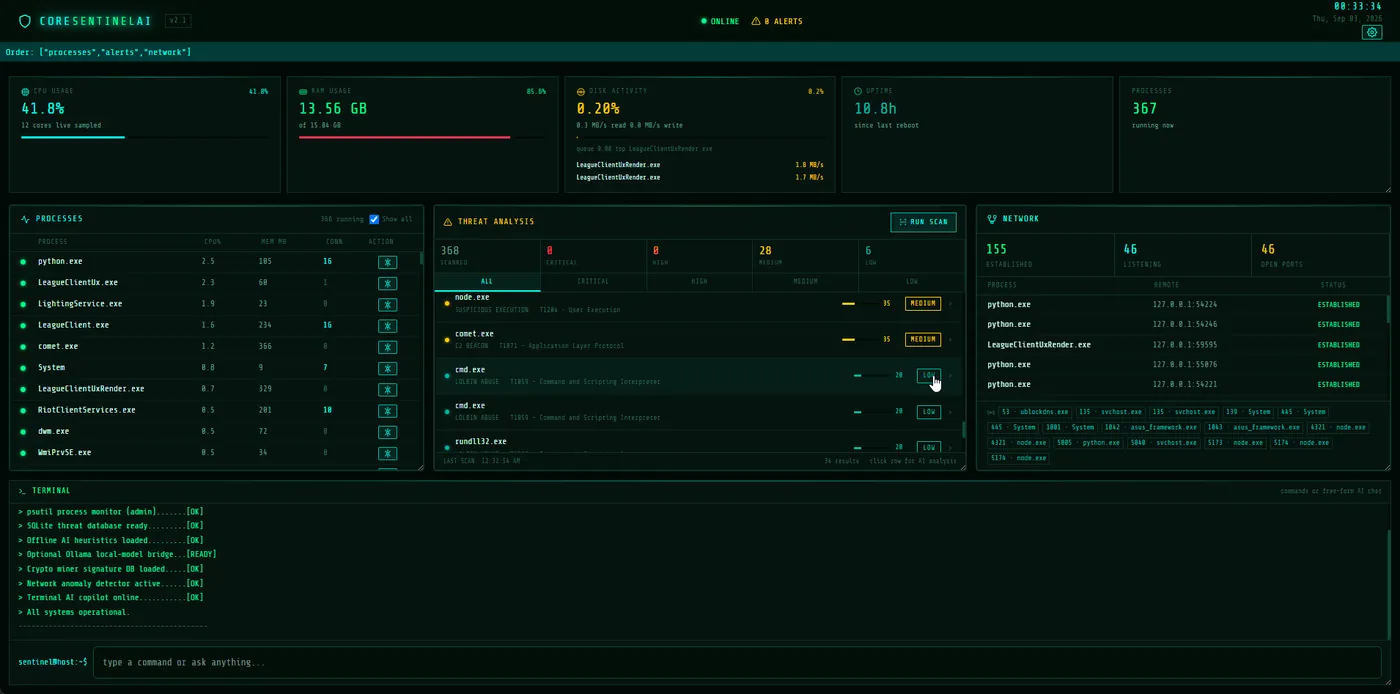
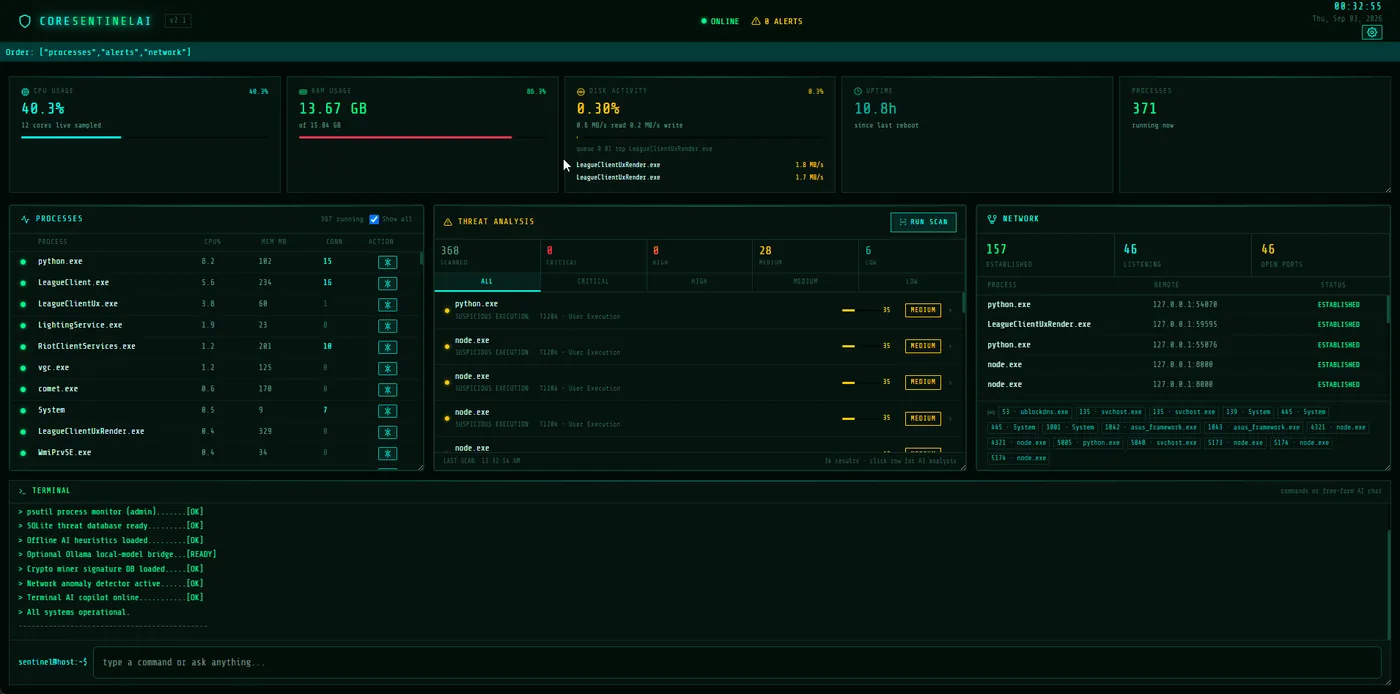
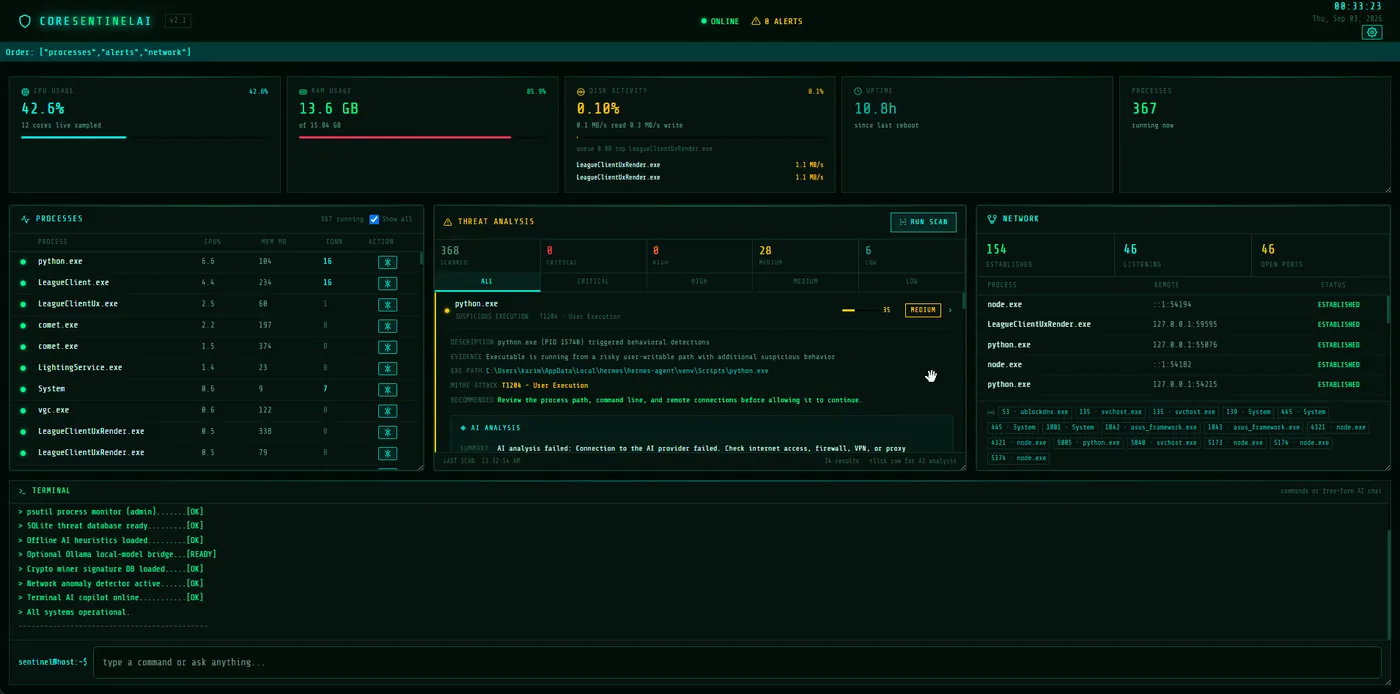
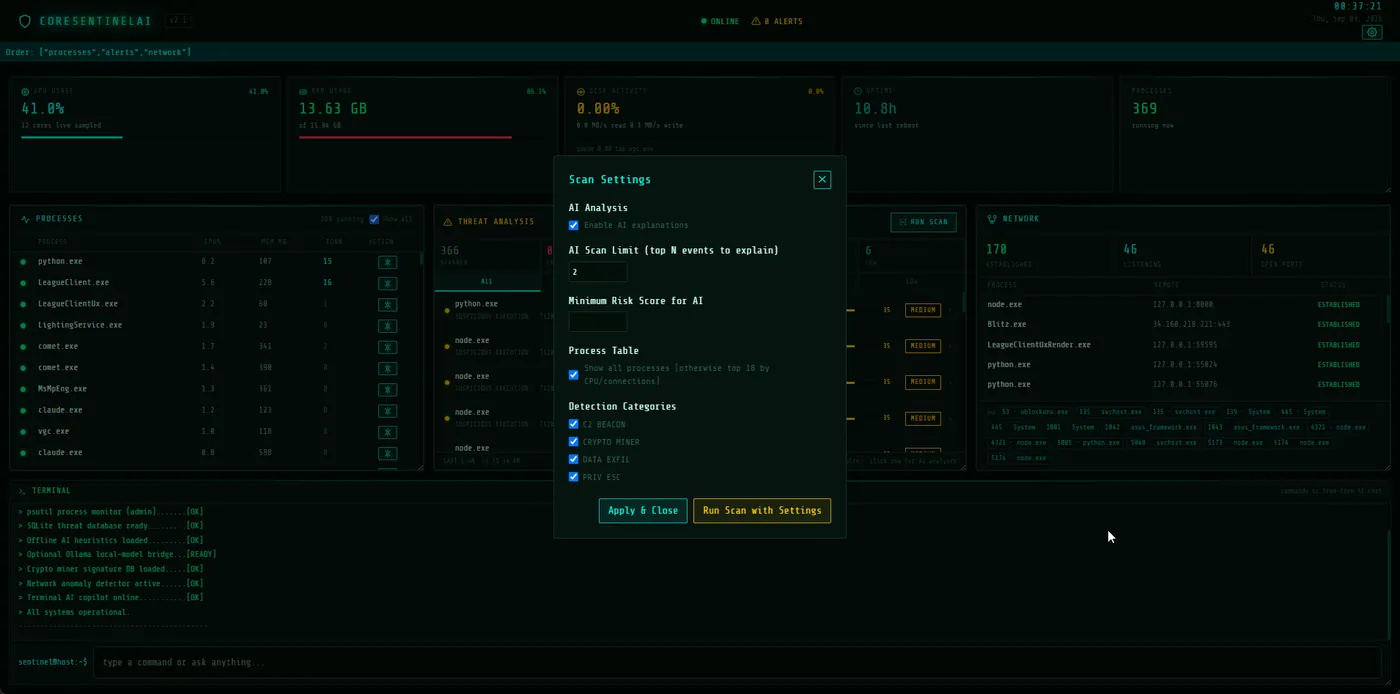
A real-time SOC-style endpoint detection & response (EDR) dashboard for Windows. It monitors live system telemetry (CPU/RAM, running processes, network connections, open ports), runs a signal-based detection engine that flags malware C2 ports, crypto-miner binaries, and known RAT/malware process names with MITRE ATT&CK technique tags, and scores threats by risk level. An AI engine (local Ollama model, with Gemini as a cloud fallback) explains detected threats in plain language and powers an embedded terminal assistant. Includes a WPF desktop agent variant alongside the web dashboard. Tech stack: Backend: Python, FastAPI, SQLAlchemy + SQLite, psutil (system/process/network telemetry) AI layer: Ollama (local LLM) with Gemini API fallback Frontend: React 19, Vite, Tailwind CSS, Recharts, Axios, Lucide icons Desktop agent: C# / .NET 8, WPF Detection: custom rule engine (malware ports, crypto-miner signatures, LOLBin behavior analysis) mapped to MITRE ATT&CK
-
Underground Water Management & Recycling
4th place, University Innovation Challenge
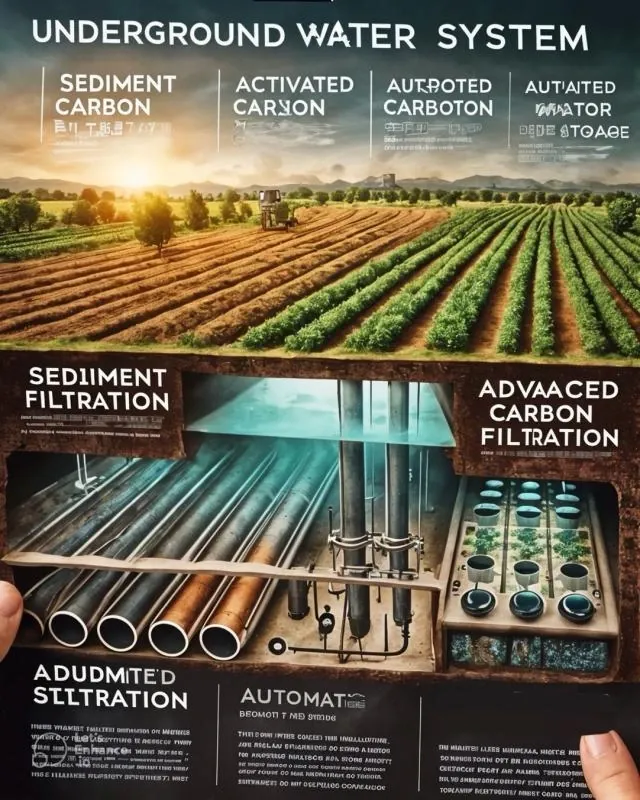
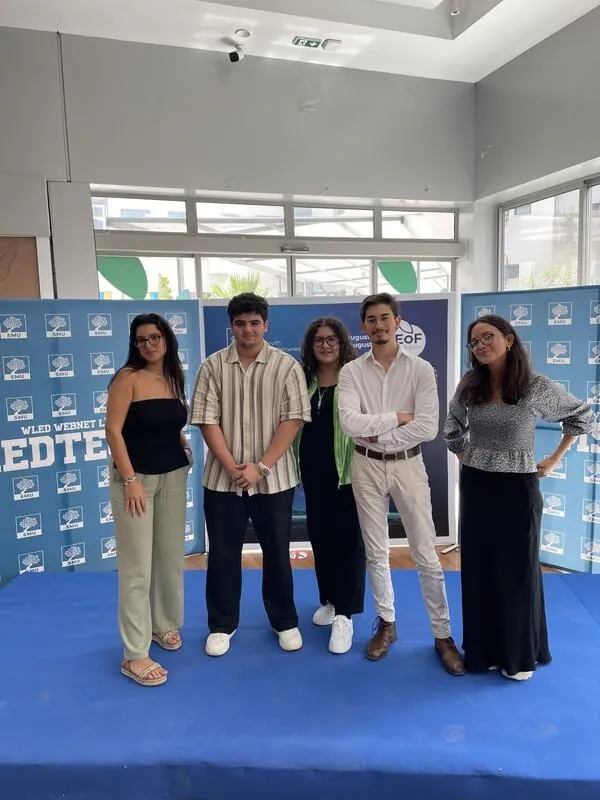
A sustainable-agriculture concept for collecting, filtering and reusing irrigation water automatically, built on Arduino and ESP32. It placed fourth in the University Innovation Challenge.
-
Library Management System
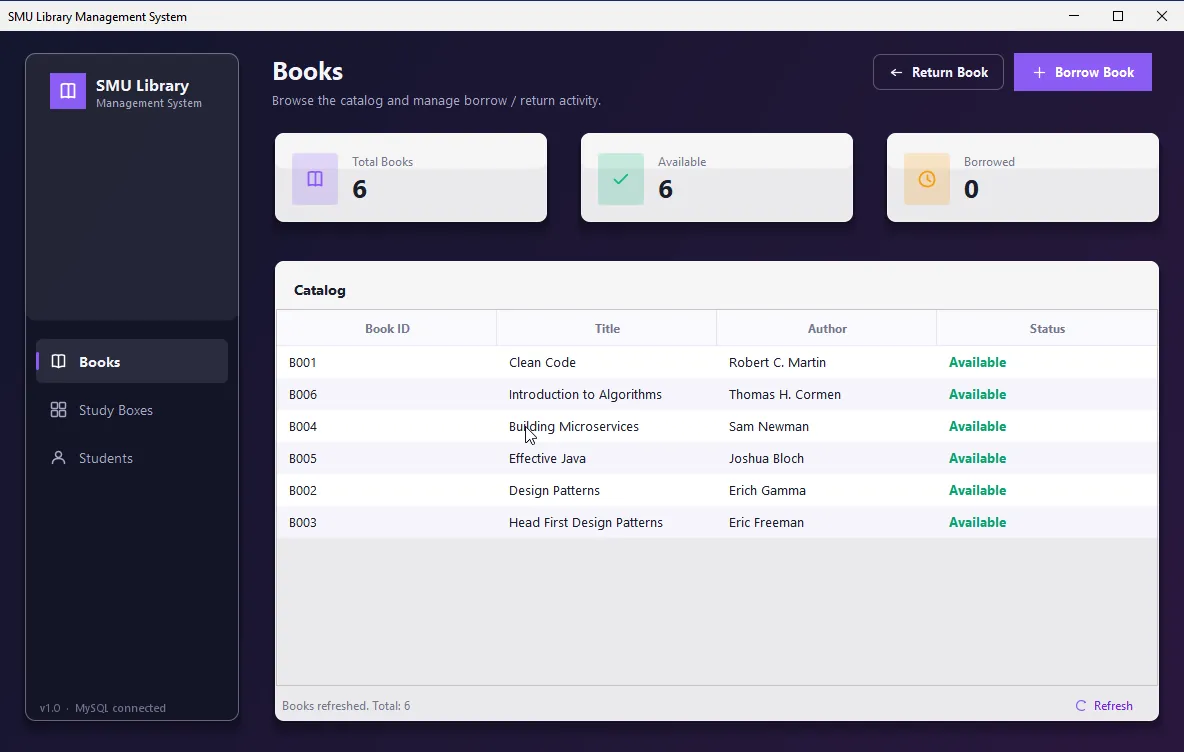
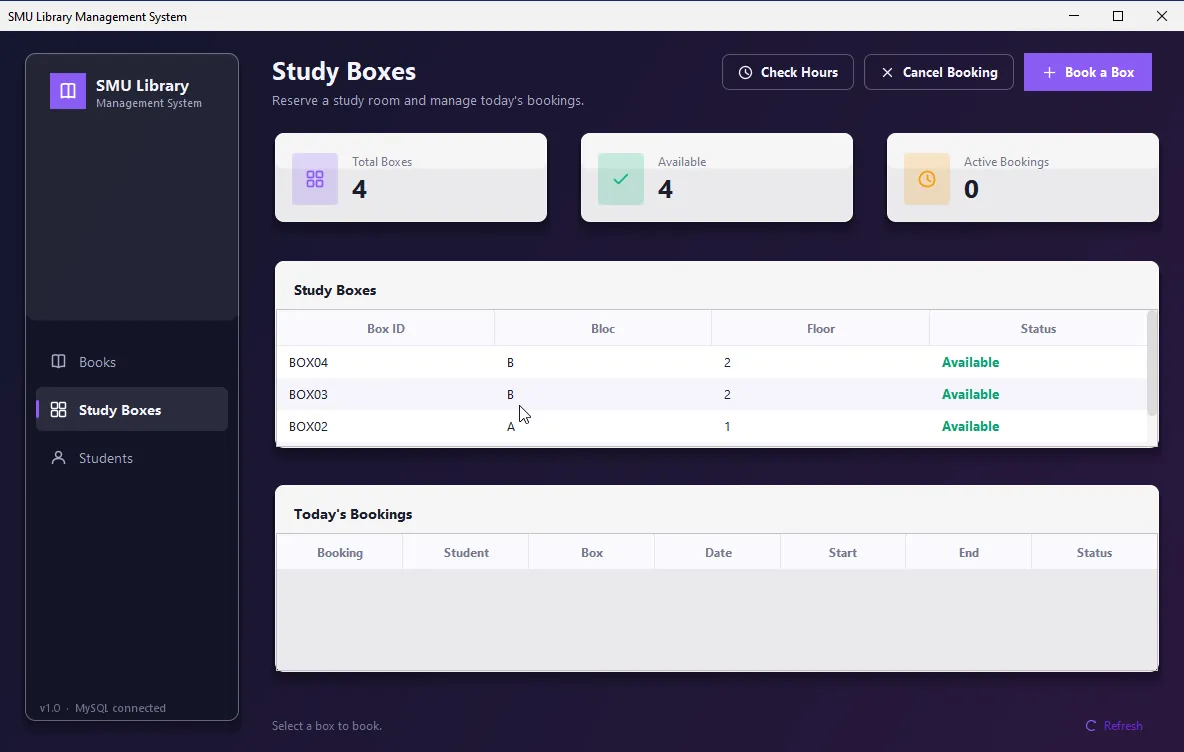
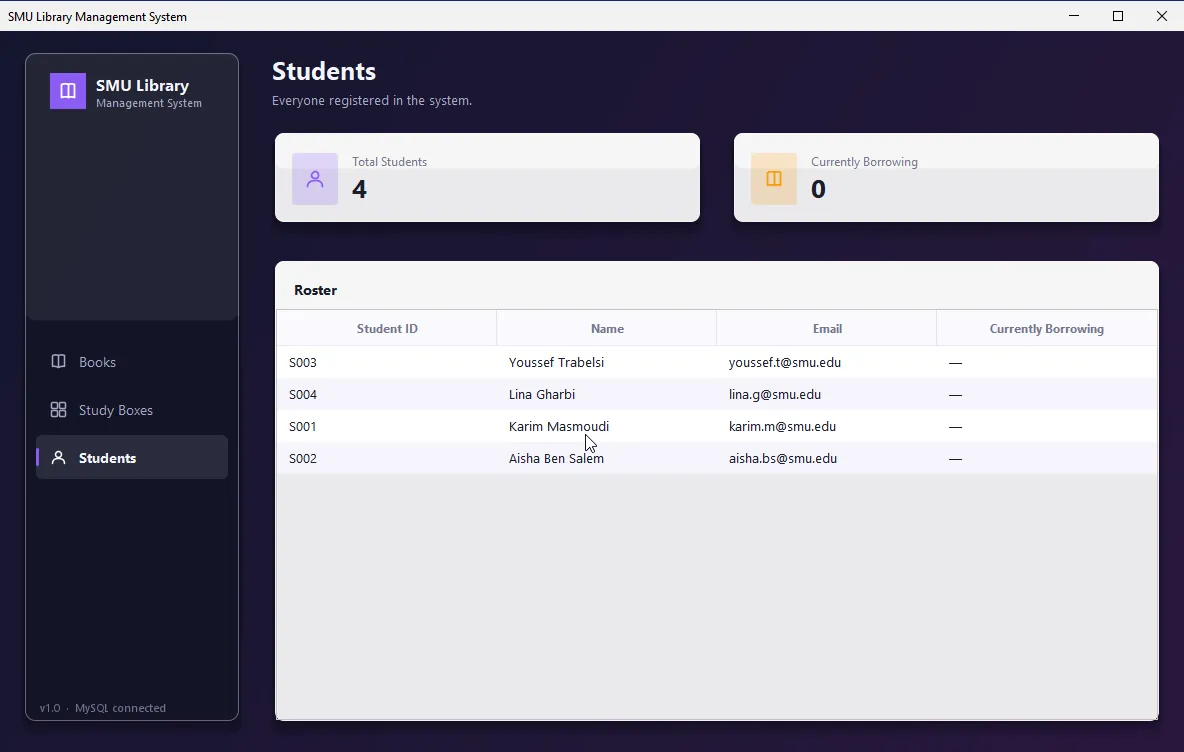
Library Management System: A Java desktop app for managing a library's books, students, and study-room bookings, built on a Swing GUI backed by MySQL. Supports borrowing/returning books with rule enforcement (borrow limits, late returns, availability checks), student lookup, and a study-box booking system with time slots and daily limits, all backed by custom exception types and action logging. Also ships a CLI as an alternate interface to the same core logic.
-
Le Kaizen
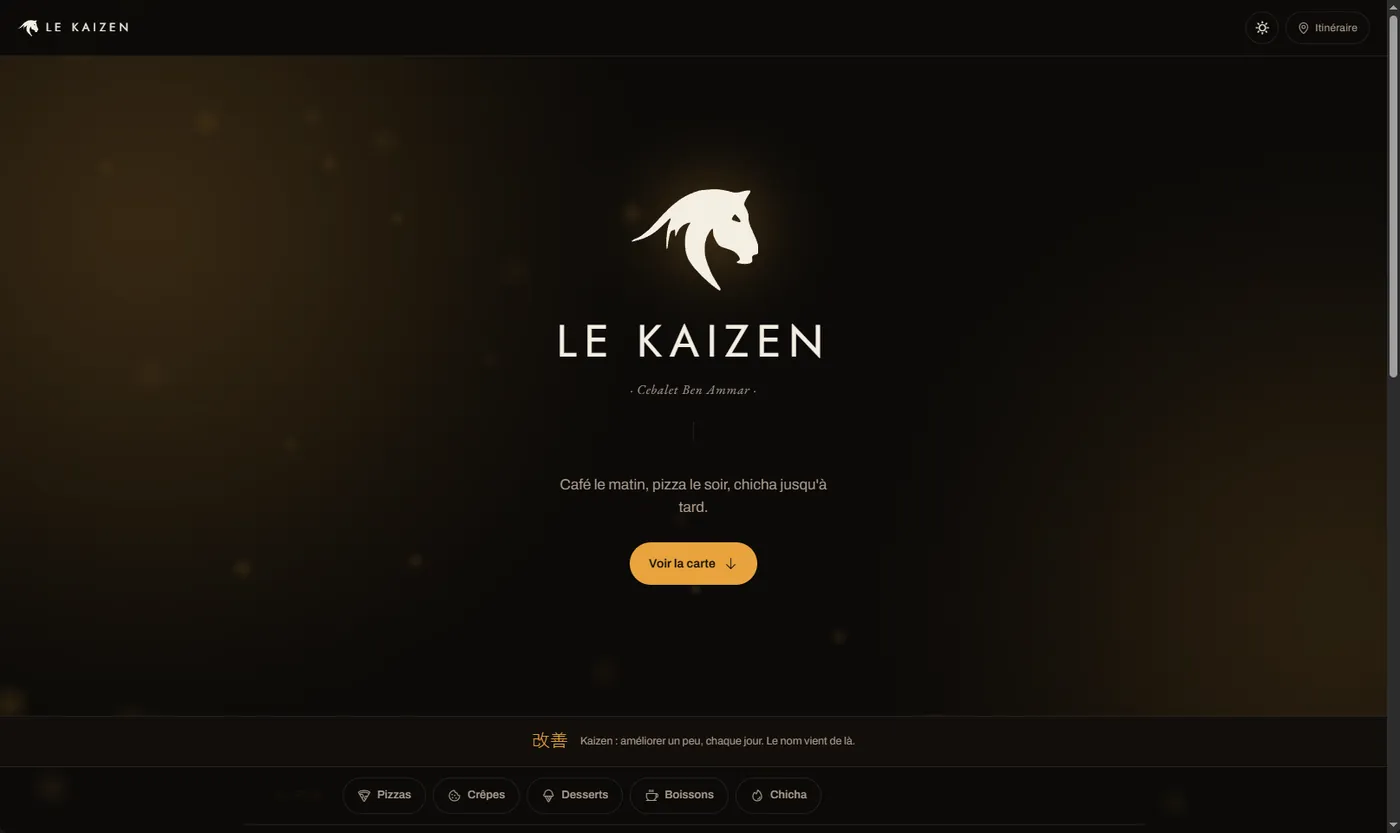
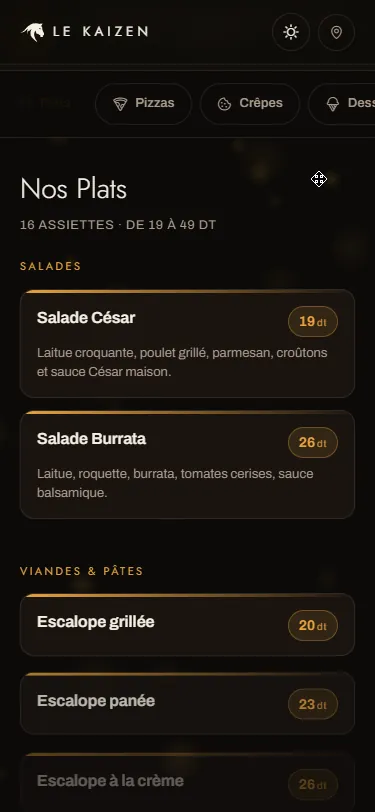
A digital menu and brand touchpoint for Le Kaizen, a café-restaurant in Cebalet Ben Ammar (Ariana, Tunisia). Success means someone at the venue (or deciding whether to go) can quickly find what they want to order or confirm the place is worth visiting.


-
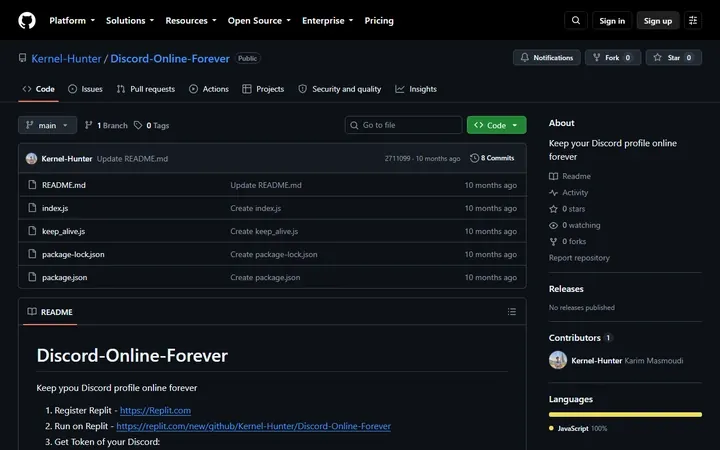
Discord Online Forever
A small JavaScript utility that keeps a Discord profile showing as online. Short, useful, and a good excuse to poke at an undocumented API.